Reviewed · MACHU PICCHU TOURS
5-Day: Salkantay Trek to Machupicchu and Humantay Lake
The big draw here is the changing scenery. In five days, you climb from high Andean valleys and turquoise Humantay Lake to the snowy Salkantay Pass, then drop into warm jungle, hot springs, and the railway path to Machu Picchu. You finish with an early climb to the Inca citadel and a private two-hour tour.
I like the small group limit of 15 and the practical support from horses, porters, and a bilingual guide. I also like that four nights of lodging, most meals, Machu Picchu admission, and transport back to Cusco are bundled into the $360 price. The catch is serious: this is a demanding hike with an early start, high altitude, basic camping, and a very long final return to Cusco.
Key points to know before booking
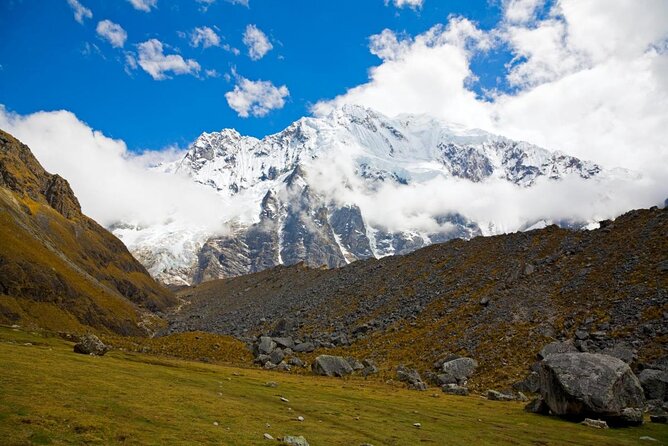
- Humantay Lake comes on the first day, after a four-hour bus ride and a high-altitude hike to Soraypampa.
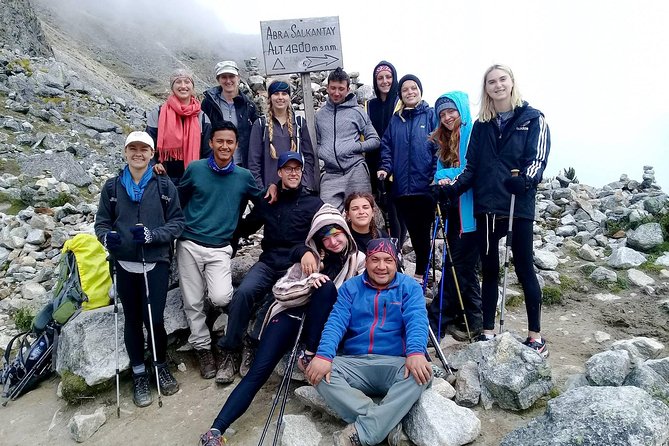
- Salkantay Pass reaches 4,600 meters, or about 15,091 feet, making acclimatization essential.
- Your gear allowance is limited to 5 kilograms on horseback for the first three days.
- Cocalmayo Hot Springs cost $6 extra, but they offer a welcome break after the hardest mountain sections.
- The final day is long, with Machu Picchu at dawn and a bus ride back to Cusco arriving around 10 p.m.
- The return train is optional, and it gives you more time at Machu Picchu for an additional charge.
What $360 buys you on this Salkantay route
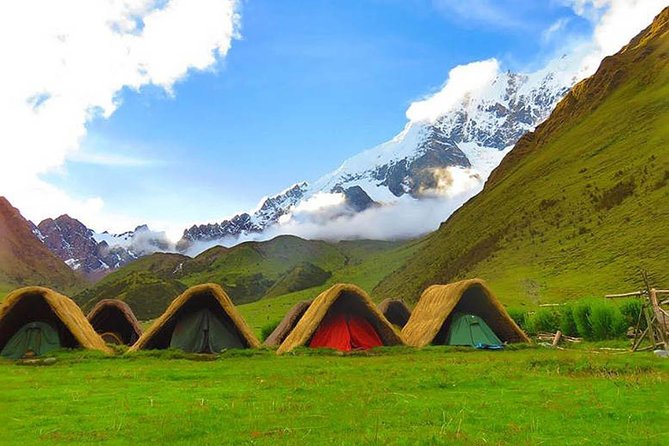
At $360 per person, this trek offers a strong package for an active visitor who wants the full route without arranging every meal, campsite, transfer, and entrance ticket alone. The price includes a professional Spanish and English-speaking guide, three nights of camping, one hostel night, four breakfasts, four lunches, and four dinners.
It also includes camping equipment except for a sleeping bag. A horse carries up to 5 kilograms of your belongings during the first three days, which matters because those early sections are the hardest. You still need a daypack for your water, rainwear, medication, camera, and anything else you want during the day.
The package includes private transportation, Machu Picchu admission when booked about two months ahead, and a bus back to Cusco on the final day. The main extras are the sleeping bag, Cocalmayo Hot Springs, an optional return train, and optional Huayna Picchu or Machu Picchu Mountain tickets.
The value is good, but do not confuse low price with luxury. The camping is practical rather than plush, and the days are packed. You are paying for access, guiding, meals, and logistics, not for a relaxed holiday.
More Hiking Tours in Cusco
- From Cusco: 7 Lakes Ausangate Trek with Breakfast and Lunch
★ 4.8 · 360 reviews - Cusco: Rainbow Mountain Tour and Red Valley Hike (Optional)
★ 4.7 · 149 reviews - Cusco: Full-Day Rainbow Mountain & Red Valley Trekking Tour
★ 4.5 · 121 reviews
Day 1: Humantay Lake and the first night at 3,900 meters
The day begins very early. Pickup information lists a start between 5:30 and 6:00 a.m., while the detailed schedule mentions collection as early as 4:30 a.m. Confirm the exact time at your briefing the day before, and keep your first-night bag ready.
The bus ride to Mollepata takes about four hours. You stop there at roughly 2,900 meters for about 30 minutes, then continue to Challacancha, where horses and porters take the heavier equipment. From here, you hike for about four hours toward Soraypampa.
Soraypampa sits at approximately 3,900 meters beside Inca water channels. It becomes your first camp, with views toward the snowy Salkantay peak. Daytime temperatures are listed around 10 degrees Celsius, falling to about 2 degrees at night. Pack warm layers, gloves, a hat, and dry socks. A sleeping bag is not included, so arrange one before departure.
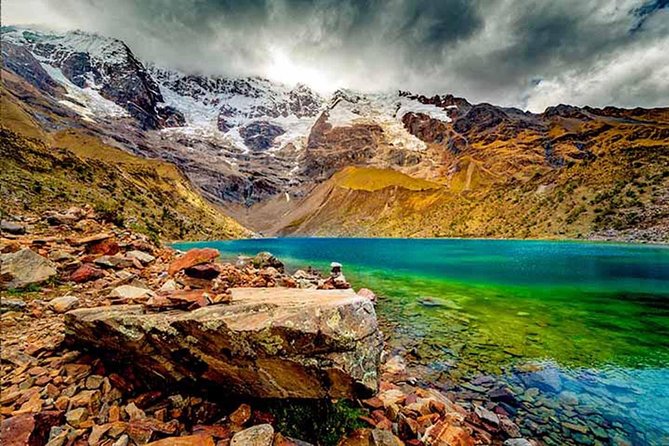
After lunch, you walk for about 90 minutes to Humantay Lake at 4,200 meters. The route is short compared with later days, but the altitude makes it feel much harder. Give yourself time. The lake is the reward: a striking mountain pool below steep snow-covered slopes.
You spend roughly an hour and a half at the lake before returning to camp. The total first day takes about eight hours, including the transfer, hike, and lake visit. It is an ambitious opening, especially if you have just arrived in Cusco and have not adjusted to altitude.
The best advice is simple: do not race. Drink water, keep your pace steady, and tell your guide if you feel unwell. Humantay Lake is beautiful, but getting there safely matters more than arriving first.
Day 2: The hard climb to Salkantay Pass
Day two is the trek’s mountain test. An assistant wakes the group early with tea, followed by breakfast. The morning hike takes about three hours to reach Salkantay Pass at 4,600 meters.
This is the highest point of the route. The scenery opens into a stark high-altitude world of powerful Andean peaks and wide slopes. The traditional gesture at the pass, asking permission from the Apus, or mountain gods, gives the moment a sense of place rather than making it just another photo stop.
Altitude is the main issue here. Even fit hikers can feel slow, breathless, or headachy at 4,600 meters. Your guide’s job is especially important on this morning. A guide named Roger is specifically praised for being helpful and friendly, though you should confirm who will lead your departure.
After the pass, the route drops toward Wayracpunku, also called Huayra Pampa, where lunch is served. The change is dramatic. The cold, open high country gives way to greener slopes, streams, trees, bromeliads, and orchids as you enter the high jungle.
The afternoon continues for about five hours to Chaullay at 2,900 meters. This descent can be just as tiring as the climb, particularly on knees and thighs. You finish with dinner and rest at camp.
Day two is why this route suits active people rather than casual sightseers. You spend much of the day walking, and the elevation gain and loss are real. The payoff is the sheer variety: snow peaks in the morning, jungle vegetation by afternoon.
Day 3: From La Playa to Santa Teresa
After breakfast at about 6:30 a.m., you continue through warmer jungle country toward Sahuyaco, also called La Playa, at roughly 2,000 meters. The day is shorter at about six hours, but the heat changes the challenge.
Temperatures are listed around 25 degrees Celsius during the day and 14 degrees at night. This is the time to use sunscreen, carry water, and keep a light shirt handy. The route passes through thick vegetation and follows the warmer side of the mountains.
Lunch comes at La Playa. From there, transport takes you to Santa Teresa at about 1,550 meters, where you set up camp. The move from a cold mountain camp to a warm valley town is one of the route’s nicest features. You get a real change of climate without leaving the trek.
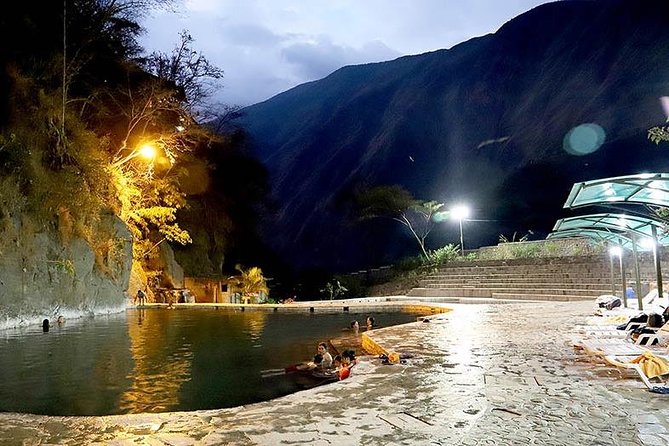
The optional Cocalmayo Hot Springs are the day’s main treat. Entry costs $6, paid locally, and the visit lasts about two hours. After two demanding days, warm pools can make a real difference to tired legs. The fee is modest, but bring enough local cash because it is not part of the package.
Dinner is a traditional Peruvian meal, followed by rest at camp. Santa Teresa also gives you a chance to sort your belongings before the final walking sections. Keep your daypack organized, since the next day includes a long railway walk and your first night in Aguas Calientes.
More Hiking Tours in Machu Picchu
- Salkantay Trek Challenge – 3 Days / 2 Nights
★ 5.0 · 101 reviews - Choquequirao Trek 4 days and 3 nights
★ 5.0 · 81 reviews - Machu Picchu: 5-Day Salkantay Trek with Panoramic Train
★ 5.0 · 79 reviews - Ancascocha Trek To Machu Picchu 4 Days And 3 Nights
★ 5.0 · 77 reviews
Day 4: Zip lines, the railway, and Aguas Calientes
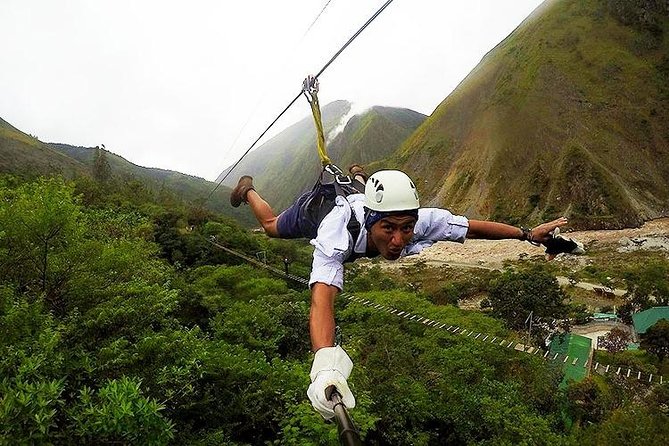
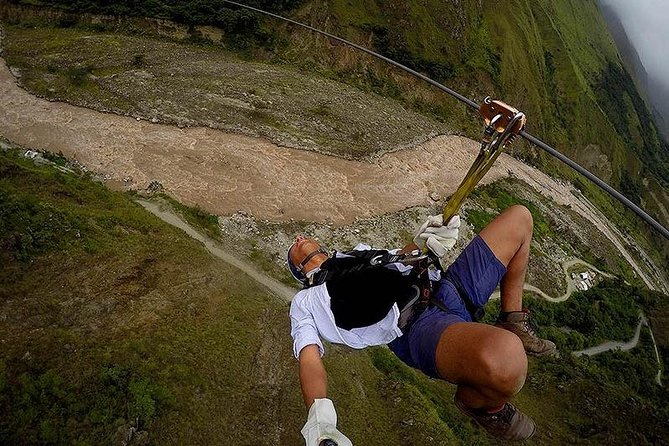
Day four offers a choice. You can book a zip-line activity, or you can walk from Santa Teresa to the hydroelectric station.
The zip-line option lasts about two and a half hours and includes more than six cables. The longest stretches about one kilometer, with speeds up to 70 kilometers per hour. It also includes a climbing rock and suspension bridge. This costs extra, and you should arrange it in advance if you want a place.
If you skip the zip line, you walk for about two hours to the hydroelectric station. The group meets there for lunch, then continues along the railway toward Aguas Calientes. The railway route takes about three hours, with waterfalls, ecological farms, and possible wildlife sightings along the way.
This section is less about dramatic altitude and more about finishing the journey on foot. The jungle is warm, and the railway surface can be uneven. Wear shoes with reliable grip and carry rain protection. The route is not difficult in the same way as Salkantay Pass, but the accumulated fatigue is real.
Arrival in Aguas Calientes is expected around 5 p.m. You sleep in a hostel, with private rooms available for couples. In the evening, the group meets for dinner and a briefing about Machu Picchu.
That briefing matters. You need to know the morning meeting time, entry process, route plan, and return arrangements. Use dinner as your last chance to prepare clothes, water, tickets, and a small daypack for the citadel.
Day 5: Machu Picchu at sunrise, then a long ride home
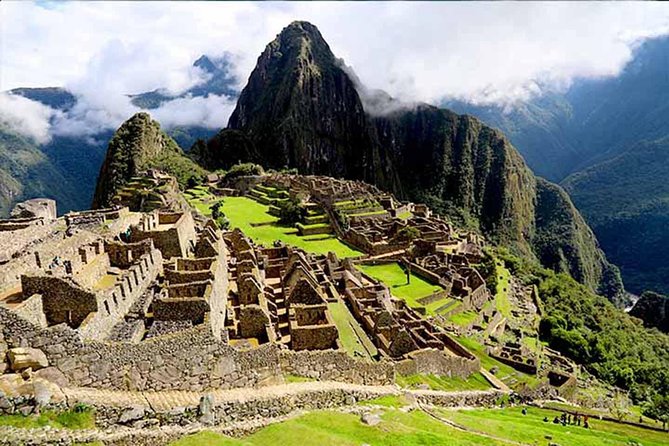
The final morning begins around 4 a.m. You walk uphill through the high jungle toward Machu Picchu, aiming to reach the entrance around 6 a.m. The climb takes about three and a half hours, so this is not a gentle stroll before breakfast.
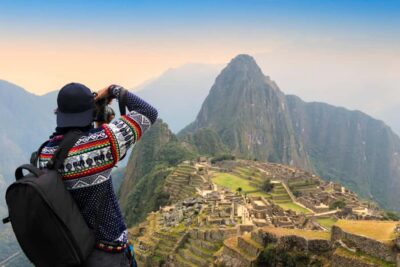
The reward is an early arrival at one of the world’s great archaeological sites. After entry, your group receives a private guided tour lasting about two hours. You then have free time to explore on your own.
The timing has both strengths and limits. You get a full guided introduction and a chance to see Machu Picchu early, but the schedule is tight. At 11:30 a.m., you begin the return walk to the hydroelectric station, taking about three and a half hours.
Your bus waits there until 3 p.m. The ride back to Cusco takes about seven hours, with arrival around 10 p.m. That makes the final day exceptionally long. You should not plan an early flight or major activity the next morning without leaving room for delays and fatigue.
If you want more time at Machu Picchu, you can add a train return. With that option, you may remain at the site until about 5 p.m., then take the train from Aguas Calientes to Ollantaytambo, a ride of roughly one hour and 40 minutes. A vehicle then takes you back to Cusco, with drop-off near San Francisco Square around 10 p.m.
The train costs more, but it is the practical choice if you want to stay longer at Machu Picchu or avoid the return walk to the hydroelectric station. It is also more comfortable. The standard bus return costs less, but it turns an already demanding day into a very long one.
Camping, meals, and what to pack
You spend three nights camping and one night in a hostel. The camping setup includes the main equipment, but not a sleeping bag. Conditions vary sharply, from cold nights at Soraypampa to warm jungle evenings near Santa Teresa.
Meals included are four breakfasts, four lunches, and four dinners. Breakfast on day one is not included, and lunch and dinner on the final day are also your responsibility. Carry snacks for long walking sections, especially on the pass day and the final morning.
Your 5-kilogram horse allowance covers the first three days and the hardest mountain sections. Pack compactly. Keep essentials in your own daypack, including water, sunscreen, rain gear, warm layers, medication, and a headlamp for the early starts.
A moderate fitness level is required, but that phrase should not be read too casually. You need to manage several hours of walking, steep uphill and downhill sections, high altitude, changing temperatures, and a very early Machu Picchu climb.
Group size, guide support, and booking timing
The group limit is 15 people, which is small enough for a more personal feel without making the trip private. A bilingual professional guide leads the route, and the guide’s practical decisions matter most at high altitude and during the long transfers.
Machu Picchu admission is included when booked about two months ahead. If you book later, contact the operator to check available entry options. The tour is commonly booked about 44 days ahead, so leaving this until the last minute may limit your choices.
The experience has a five-star average from 42 ratings, with 100 percent recommending it. The strongest praise centers on the small group and guide Roger’s helpful, friendly approach. Those are meaningful positives because the guide is not just explaining ruins. The guide also sets the pace, handles route details, and helps the group manage a demanding schedule.
The cancellation policy is strict: the booking is non-refundable and cannot be changed. The stated exception is poor weather, when you may be offered another date or a full refund. Read that rule carefully before paying.
Who should book this trek?
I would choose this trek if you want Machu Picchu as part of a genuine multi-day walk rather than a quick rail excursion. It suits hikers who enjoy changing scenery, basic camping, early mornings, and a clear physical challenge.
It is a good match if you value included meals, transport, a guide, and help carrying gear more than private comfort. The $360 price keeps the logistics simple and covers the core costs, while still leaving you control over extras such as hot springs, zip lines, and the return train.
I would think twice if you dislike high altitude, cold camping, long bus rides, or steep climbs. The first two days are strenuous, and the last day combines a pre-dawn climb, a guided site visit, a return hike, and a late bus arrival in Cusco.
Should you book the Salkantay Trek?
Book it if the route itself is the attraction. Humantay Lake, Salkantay Pass, the jungle descent, Cocalmayo, the railway, and Machu Picchu create a varied five-day journey for a reasonable price.
Before paying, confirm the pickup time, Machu Picchu entry availability, sleeping bag arrangement, optional costs, and the name of your guide. If Roger is assigned to your group, the available feedback gives you a particularly encouraging sign. Choose the train return if you want more time at Machu Picchu or less walking after the ruins.
Skip it if you want a soft landing in Peru. This is an active trip with altitude, basic camps, and a punishing final schedule. For fit hikers who want support without giving up the feel of a real mountain route, it is a strong and sensibly priced choice.
FAQ
How long is the Salkantay Trek to Machu Picchu?
The experience lasts approximately five days, including the trek from the high Andes through the jungle to Machu Picchu and the return to Cusco.
What is the highest point on the route?
Salkantay Pass is the highest point, at about 4,600 meters, or 15,091 feet.
Are meals included?
Four breakfasts, four lunches, and four dinners are included. Breakfast on the first day, plus lunch and dinner on the final day, are not included.
Is a sleeping bag provided?
No. Camping equipment is included except for the sleeping bag, which you must arrange separately.
Does the tour include Machu Picchu admission?
Yes, Machu Picchu admission is included when the booking is made about two months in advance. If you book later, you should contact the operator to check available options.
Can I take a train back from Machu Picchu?
Yes. A return train can be added at extra cost. It lets you stay at Machu Picchu until about 5 p.m., then travel by train to Ollantaytambo before continuing by vehicle to Cusco.
More Lake Tours in Cusco
- Cusco: Humantay Lake Tour with Breakfast and Buffet Lunch
★ 4.9 · 2,976 reviews - From Cusco: Excursion to Humantay lake from Cusco
★ 4.7 · 514 reviews - Humantay Lagoon Tour
★ 5.0 · 96 reviews - Excursion to Ausangate & 7 lakes with Coca Ceremony |Private|
★ 5.0 · 80 reviews
More Hiking Tours in Peru
- From Cusco: Rainbow Mountain Trek
★ 4.5 · 98 reviews - Private Palccoyo Rainbow Hike Without the Crowds
★ 5.0 · 86 reviews - Humantay Lake Full Day Hike
★ 5.0 · 75 reviews - Ausangate Trek 5 Days
★ 5.0 · 74 reviews
Just added around Cusco
- rainbow mountain full day★ 5.0 · 44 reviews
- Rainbown mountain cusco 1 Day★ 4.5 · 72 reviews
- Manu National Park Tour 4days/3night★ 5.0 · 69 reviews
- Tour to the HUMANTAY LAGOON from CUSCO★ 5.0 · 35 reviews
- Vegan Peruvian Cooking Class Cocktails and Local Market in Cusco★ 5.0 · 46 reviews
- Cusco Private Airport Transfer: Fast, Reliable Hotel Drop-Off★ 5.0 · 80 reviews
- 1 Day Tour to Palccoyo (Alternative Rainbow Mtn) from Cusco, Peru★ 5.0 · 53 reviews
- Rainbow Mountain Tour★ 5.0 · 72 reviews
Machu Picchu Tours, compared.
From Cusco: Full-Day Group Tour of Machu Picchu
Read our review →
Machu Picchu: Full-Day Tour from Cusco with Optional Lunch
Read our review →
Cusco: 4-Day Inca Trail to Machu Picchu with Accommodation
Read our review →
From Cusco: 2-Day Trip to the Sacred Valley and Machu Picchu
Read our review →
Cusco: Machu Picchu 2-Day Inca Trail with Panoramic Train
Read our review →