
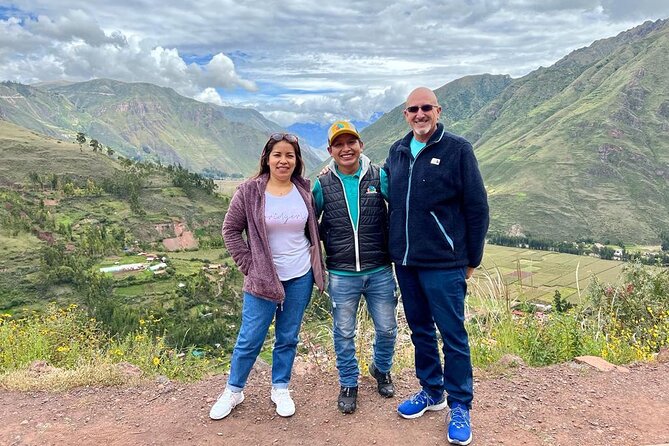
Reviewed · SACRED VALLEY TOURS
Sacred Valley of the Incas Tour with Moray & the Salt Mines
Moray’s great circular terraces are the star here. They look almost like a giant amphitheater cut into the earth, but they were built for farming experiments. Add the salt pools of Maras, where families still gather salt by solar evaporation, and you get a day that goes beyond the usual postcard stops.
I like the small group of up to nine and the included buffet lunch in Urubamba. A bilingual guide such as Julio or Adolfo can explain the Inca sites in a personal way, while driver Luis has earned praise for careful service. The drawback is the pace: six major stops in roughly nine hours can feel rushed, and some departures may include shopping stops that cut into sightseeing time.
Key points to know before booking
- Moray and Maras bring the most unusual scenery: One is a set of circular farming terraces, the other a hillside covered with salt pools.
- Pisac and Ollantaytambo provide the strongest Inca sites: Both have major stonework, terraces, and broad views over the Sacred Valley.
- Chinchero adds culture and textiles: You visit an Andean village, a whitewashed church, farming terraces, and old water channels.
- Lunch is included in Urubamba: The buffet gives you a proper midday meal without adding another restaurant decision.
- The group is capped at nine people: That is more manageable than a large coach, though the day still covers a lot of ground.
- Budget for entrance fees: The archaeological admission is listed at USD 20, or 70 soles, plus 10 soles for Maras.
Why this Sacred Valley day is so full
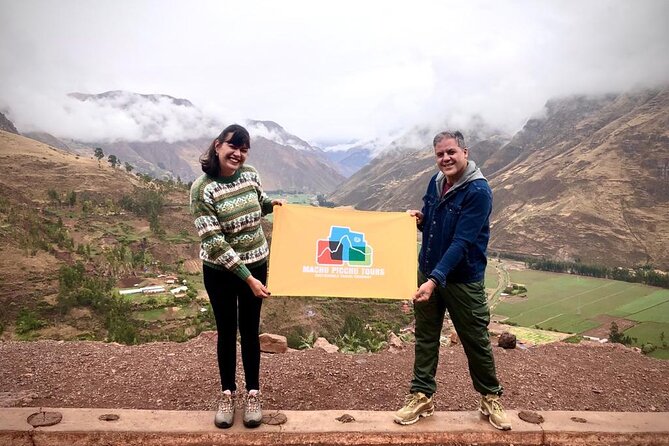
This is not a slow village day. It is a greatest-hits circuit through the Sacred Valley, with a 7:00 a.m. start and a return to Cusco in the evening. You cover Pisac, Urubamba, Ollantaytambo, Moray, Maras, and Chinchero in one outing.
That makes the tour useful if you have limited time in Cusco. You see several different sides of the region: military and religious ruins, Inca farming, living Andean crafts, traditional salt production, and a modern town serving as the valley’s food stop.
The tradeoff is simple. You gain range, but you give up time at each place. One report described the day as feeling compressed, with only about 30 minutes at some stops. The published durations are longer at several sites, but roads, lunch, parking, and group movement can reduce your time on foot. If you prefer to study one ruin slowly, book separate outings instead.
A few more Sacred Valley days worth comparing
- From Cusco: Sacred Valley & Maras Salt Mines Tour with Lunch
★ 4.8 · 2,227 reviews - From Cusco: Moray, Maras Salt Mines & Chinchero Weavers Tour
★ 4.8 · 1,925 reviews - Cusco: Sacred Valley, Pisac, Ollantaytambo, Salt Mines Moray
★ 4.6 · 1,058 reviews
Pisac begins the morning with big views
Pickup is scheduled for 7:00 a.m. in Cusco, with the tour returning later to Plaza Regocijo, one block from Plaza de Armas. The description also says hotel pickup is provided, so confirm the exact pickup arrangement when booking, especially since the listed meeting point is Plaza Regocijo.
The first stop is a viewpoint in Taray. From here, you can look down on the Sacred Valley, with the Urubamba River winding past villages below. It is a useful first pause because it gives you the valley’s shape before you enter the ruins.
Pisac’s Inca complex sits high above the town. Transport takes you up to the main entrance, saving your legs for the site itself. Your guide then explains the stonework and terraces before the group heads down to the main plaza.
On weekends, the narrow streets around Pisac fill with people selling handicrafts. That can add local color, but it also changes the feel of the stop. If shopping is not your aim, keep your attention on the town and the views rather than letting the market swallow your limited time.
Pisac is one of the places where a good guide matters. The site is spread across a steep hill, and the meaning of the terraces and buildings is not always clear from the stones alone. A patient guide such as Julio can help connect the remains to Inca planning and daily life.
Urubamba supplies lunch and a needed pause
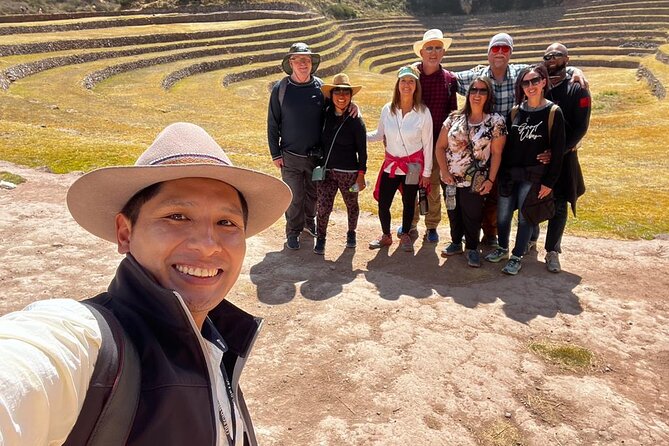
After Pisac, the vehicle continues to Urubamba, the lowest part of the Sacred Valley on this route. Lunch is served at a local restaurant as a buffet and is included in the tour price.
That meal matters more than it may sound. This is a long day with several stops, and having lunch arranged keeps the group from losing time over restaurant choices. It also gives you a chance to sit down before the afternoon sites.
The meal is described as generous and enjoyable, but the tour does not specify the exact dishes or drink policy. Plan on the included buffet covering lunch, with private expenses handled separately.
Ollantaytambo shows Inca planning at full scale
Ollantaytambo is the heavyweight stop of the afternoon. The town is one of the oldest continuously inhabited settlements associated with the Inca period, and its streets still follow an ordered plan.
The village lies between two sets of Inca ruins. Massive terraces climb the slopes, while stone channels and carefully laid streets show how much thought went into water, farming, defense, and movement.
This is also the rail point for people continuing to Machu Picchu or beginning the Inca Trail. For that reason, Ollantaytambo can feel busier and more functional than the other villages on the route. You are not only looking at an archaeological site. You are also seeing a living settlement that remains part of the modern route through the Andes.
Give this stop your full attention. The scale of the terraces and the quality of the stonework make it one of the most rewarding parts of the day. At the same time, you should expect stairs, slopes, and a fair amount of walking. The tour is open to most people, but the schedule favors a steady pace rather than a long, leisurely climb.
Same trip, a completely different kind of day:
- Cusco:Chinchero,Moray & Salt Mines drop-off in Ollantaytambo
★ 4.8 · 793 reviews - Sacred Valley: Chinchero, Moray, Ollantaytambo & Pisac+Lunch
★ 4.8 · 501 reviews - Sacred Valley: Maras & Moray by Quad Bike from Cusco
★ 4.6 · 418 reviews - Pisac Indian Market and Ollantaytambo Fortress with Lunch
★ 4.5 · 395 reviews
Moray turns agriculture into architecture
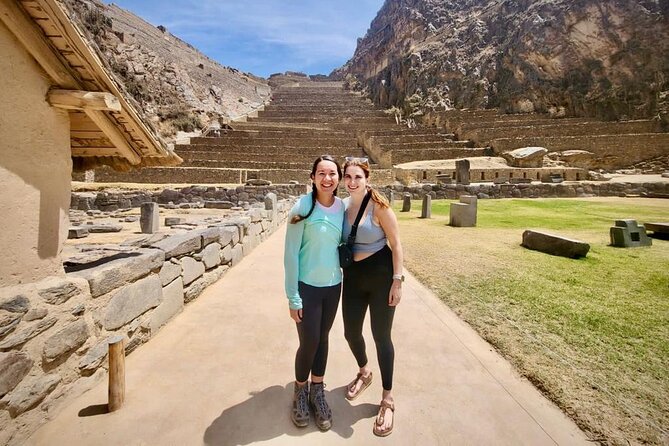
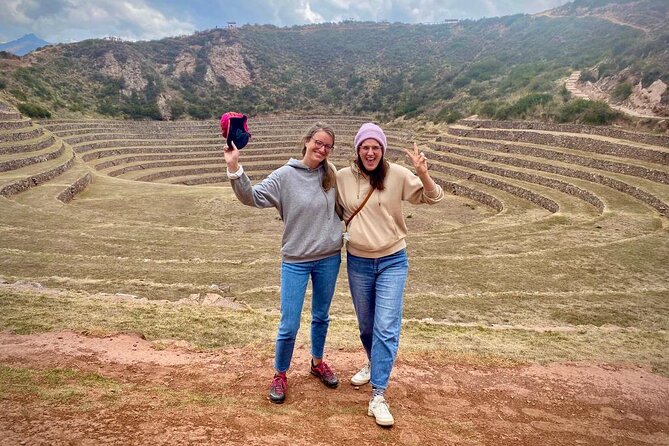
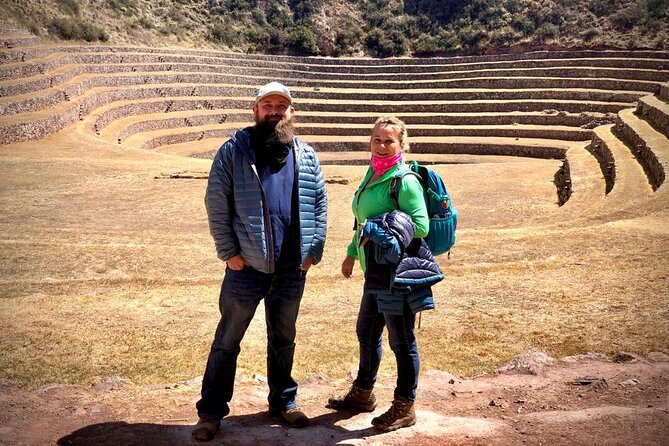
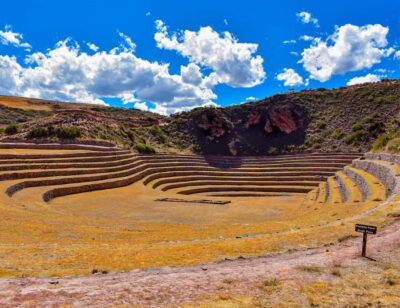
Moray is the most visually unusual stop. Its circular terraces sink into the ground in broad rings, creating a shape that looks almost too neat to be agricultural.
Your guide explains the traditional view that the Incas used the terraces as an agricultural laboratory. Each level has a different temperature, allowing farmers to study which crops suited different growing conditions. The site shows that Inca achievement was not limited to temples and fortresses. Farming systems were carefully planned, measured, and adapted to local conditions.
The one-hour visit gives you time to understand the idea and take in the form of the terraces. It may feel short if you want to walk around slowly or photograph every angle. Still, Moray rewards a focused visit because the main point is easy to grasp once your guide explains how temperature changed from one level to the next.
The entrance fee for Moray is part of the archaeological admission cost listed for the tour. Set aside the stated USD 20, or 70 soles, for the archaeological sites rather than assuming all admissions are included.
Maras keeps an old salt tradition alive
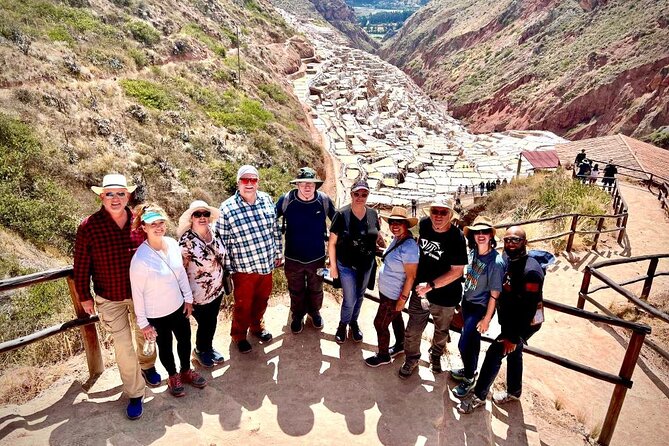
Maras provides a sharp contrast to Moray. Instead of giant stone terraces, you see hundreds of small salt pools cut into a slope. Families have passed the salt works down through generations, and the traditional method still relies on solar evaporation.
Water flows into the pools, the sun removes the water, and salt remains behind. Your guide explains how the system works and why the salt fields continue to matter to local families.
This is a particularly good stop for anyone interested in living traditions. The Inca sites can feel like archaeological remains, but Maras connects the past with work that continues today.
Maras has a separate entrance fee of 10 soles per person. The supplied details list this charge twice, so treat 10 soles as the additional Maras admission and carry local currency if possible. Purchases at the site are private expenses.
Chinchero adds textiles, church art, and old water channels
The final major stop is Chinchero, a quieter Andean village known for textiles. It is often left out of shorter Sacred Valley routes, so including it gives the day a useful cultural finish.
The village has a whitewashed church built on the site of what was once a royal palace linked to the Inca ruler Pachacutec. The combination of church and Inca foundations reflects the layers of Andean history without requiring a separate museum visit.
Chinchero is also noted for fertile soil, farming terraces, and water channels. These details help explain why the area mattered to the Incas. You are not just seeing a church or a village square. You are seeing a productive place shaped by farming and water management.
The textile focus can include a local shop or demonstration, depending on how the day is run. This is worth clarifying before departure. One complaint about the route involved several commercial stops for silver, alpaca clothing, and snacks. Those stops were not the main purpose of the booking and reduced sightseeing time. If you prefer a strictly archaeological day, ask whether shopping visits are part of your departure.
What the guide and group size change
A bilingual local guide is included, and the group limit is nine people. That is a good middle ground. You avoid the distance and noise of a large coach, but you are not paying for a private vehicle and guide.
The guide’s role is especially important at Pisac, Ollantaytambo, Moray, and Chinchero. Each site has plenty of stone, but the useful information lies in what the stone was meant to do. The strongest feedback centers on patient explanations, answers to questions, and lively energy. Adolfo is described as warm and informative, while Julio is noted for kindness and patience.
Driver quality matters too. You spend many hours on winding roads between the sites. Luis has been singled out for safe, attentive driving, which is exactly what you want on a full-day route.
Still, a small group does not guarantee a relaxed schedule. Six stops, lunch, and the return drive require discipline. If you stop often for photos, the guide may need to keep the group moving.
Is the $99 price good value?
The advertised price is $99 per person. That includes round-trip transport, a bilingual guide, and the Urubamba buffet lunch.
You should add the listed entrance charges: USD 20, or 70 soles, for the archaeological sites and 10 soles for Maras. That places the practical total near $99 plus the equivalent of 80 soles in admissions, before personal spending. The exact exchange value changes, so use the stated local charges as your planning guide.
For a day covering six major locations, the price is reasonable if you value convenience. You get a vehicle, a guide, a planned lunch, and a route that would be difficult to arrange efficiently on your own in one day.
The value drops if you dislike rushed sightseeing or commercial stops. In that case, a shorter private tour may serve you better, even if it costs more. You would gain control over how long you spend at Ollantaytambo, Moray, and Chinchero.
The tour has a free cancellation policy up to 24 hours before the start time. Changes or cancellations inside that 24-hour window are not accepted for a refund.
Who should book this tour?
I would choose this tour if you have one open day in Cusco and want a broad introduction to the Sacred Valley. It suits people who enjoy ruins, mountain views, local production, and a guide who can explain the links between them.
It is also a sound choice after a demanding trip if you want cultural sightseeing without adding another high-elevation hike. One person completed the outing after a month of travel and several strenuous hikes, finding the guide and lunch helpful at the end of a long journey.
I would hesitate if you want long, quiet visits at each site. Ask in advance about the exact pickup point, the expected group size, and any shopping stops. Also budget for the admissions, since they are not covered by the $99 price.
Book it for range, guidance, and ease. Skip it for a slow archaeological study day. The best reason to go is the mix: Moray’s strange farming circles, Maras’ working salt pools, Ollantaytambo’s monumental terraces, and Chinchero’s living textile culture all fit into one demanding but useful day.
FAQ
What time does the tour start?
The scheduled start time is 7:00 a.m.
Where does the tour start?
The listed meeting point is Plaza Regocijo in Cusco, at F2M9+5X2, Cusco 08002, Peru. The tour details also state that hotel pickup in Cusco is provided, so confirm the exact arrangement when booking.
Where does the tour end?
The tour ends back at the meeting point. The drop-off is listed as Plaza Regocijo, one block from Cusco’s Plaza de Armas.
How long does the tour last?
The full experience lasts approximately nine hours.
How many people can join the tour?
The group has a maximum of nine participants.
Is lunch included?
Yes. A buffet lunch at a local restaurant in Urubamba is included.
Are entrance fees included in the price?
No. The listed archaeological admission is USD 20, or 70 soles per person. Maras has a separate entrance fee of 10 soles per person.
Which places does the tour visit?
The route includes Pisac, Urubamba, Ollantaytambo, Moray, Maras, and Chinchero before returning to Cusco.
Is a guide included?
Yes. Round-trip transport and a bilingual local tour guide are included.
Can I cancel for a full refund?
Yes, if you cancel at least 24 hours before the experience start time. Cancellations or changes made less than 24 hours before the start are not accepted for a refund.
Just added around Sacred Valley
- Rafting & Zip line Urubamba River 1 Day★ 5.0 · 75 reviews
- Moray and Maras Salt Mines Full Day Tour – Small Groups★ 5.0 · 79 reviews
- Sacred Valley VIP Tour with Maras and Moray from Cusco★ 4.5 · 35 reviews
- Sacred Valley Private Tour, Moray & Salt Mines Incluided★ 5.0 · 41 reviews
- 2-Day Tour: Sacred Valley & Machu Picchu – All Tickets Included★ 5.0 · 42 reviews
- Sacred Valley Full-Day Private Tour from Urubamba & Ollantaytambo★ 5.0 · 112 reviews
- Sam’s Zip Line in Sacred Valley★ 5.0 · 75 reviews
- Salt Mines(Maras),Moray and Chincheros★ 5.0 · 41 reviews
Sacred Valley Tours, compared.
From Cusco: Moray, Maras Salt Mines & Chinchero Weavers Tour
Read our review →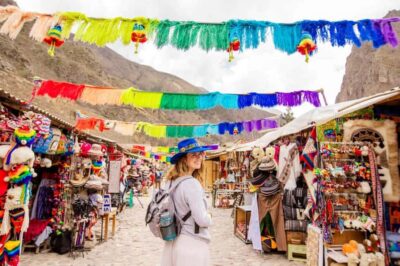
Cusco: Sacred Valley, Pisac, Ollantaytambo, Salt Mines Moray
Read our review →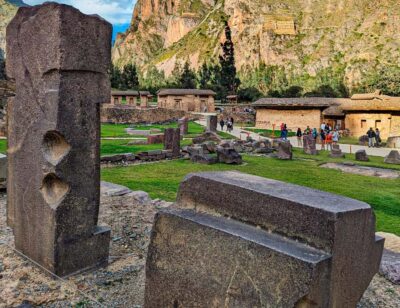
Cusco:Chinchero,Moray & Salt Mines drop-off in Ollantaytambo
Read our review →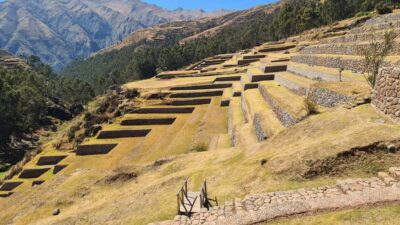
Sacred Valley: Chinchero, Moray, Ollantaytambo & Pisac+Lunch
Read our review →
Sacred Valley: Maras & Moray by Quad Bike from Cusco
Read our review →
Pisac Indian Market and Ollantaytambo Fortress with Lunch
Read our review →
From Cusco: Quad bike tour Moray and Salt Mines
Read our review →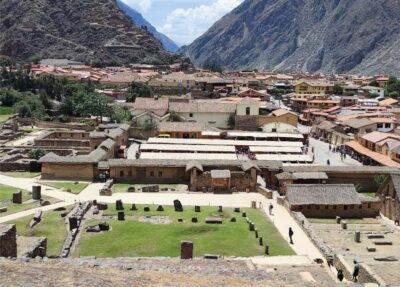
From Cusco: 2-Day Trip to the Sacred Valley and Machu Picchu
Read our review →Browse the lists this tour appears in