
Reviewed · LIMA TOURS
Lima: Pachacamac Inca Archaeological Complex Tour
Pachacamac is the kind of ancient site that changes your sense of Lima. Only about 30 minutes southeast of the city, this huge desert complex is described as three times larger than Machu Picchu, with temples, roads, and pyramids spread across sacred ground. I like that the visit starts in the site museum, where the many cultures connected to Pachacamac finally make sense.
I also like the practical design: hotel pickup, a private group, entry fees, and a driver who can take you close to parts of the sprawling complex. The views from the Temple of the Sun are another strong point. The main drawback is walking in the open sun, and Lima traffic can stretch the four-hour plan, so this is not the best outing for anyone with serious mobility or back problems.
Key points to know before you book
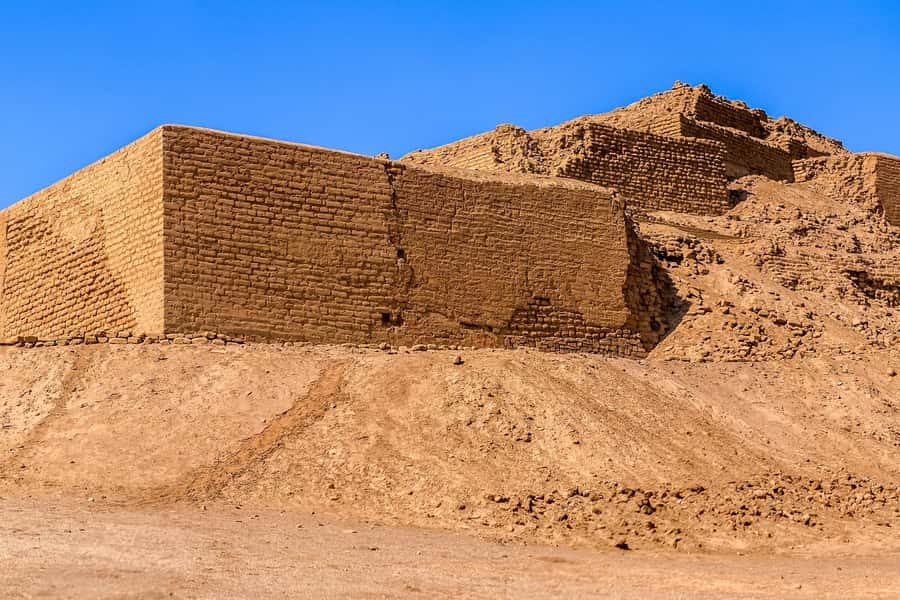
- Pachacamac is much larger than a single temple: You will visit a broad archaeological zone with several structures and roads, not just one ruin.
- The museum gives the site a clear storyline: It introduces the Lima, Wari, and Inca periods before you walk outside.
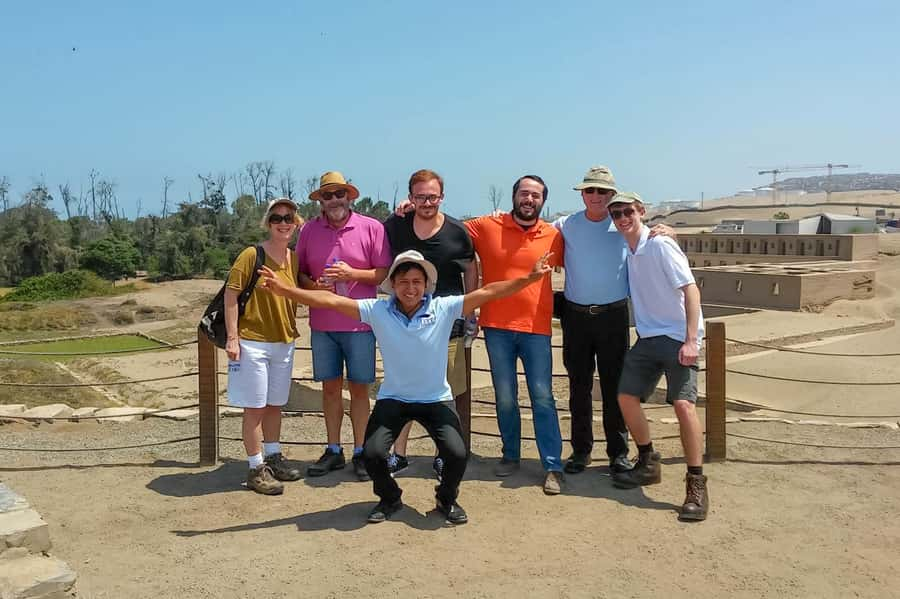
- Jordan, Edwin, Diana, Maria, and other named guides have earned strong praise: Guide quality is a major part of the experience.
- The Temple of the Sun brings the best view: You can look toward the Pacific from this high point.
- Transport matters here: The complex is extensive, and the van reduces the amount of walking under Lima’s strong sun.
- The tour is private: That gives you more room for questions and a less hurried feel than a large bus outing.
Why Pachacamac makes a smart half-day from Lima
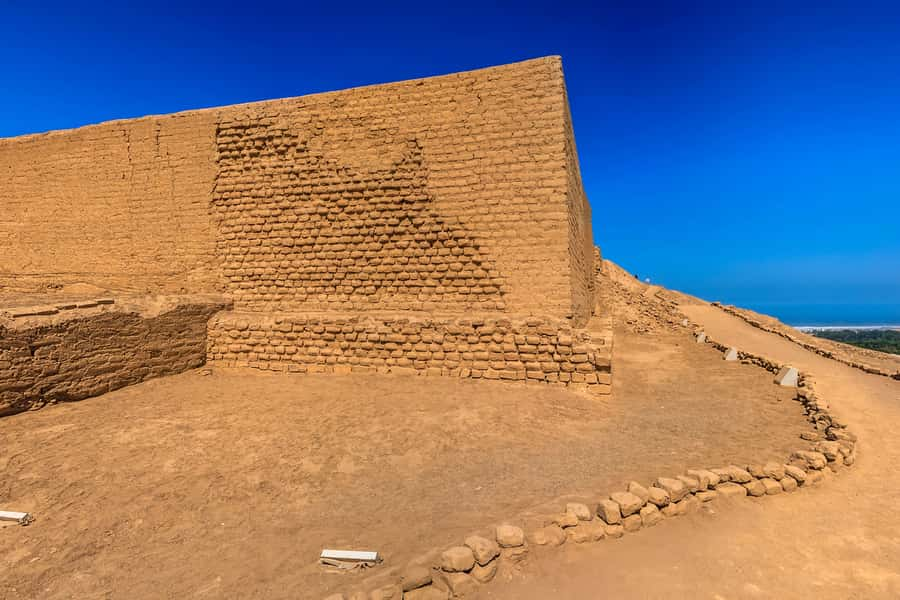
Pachacamac is not an Inca site alone. It reflects a much longer story of Peru, with remains connected to the Lima and Wari cultures before the Inca period. The Inca later took control of the sacred center, but the site had already been important for centuries.
That wider view is one of the best reasons to visit. If you are heading to Cusco or the Inca Trail later, Pachacamac helps you avoid treating the Inca Empire as the whole story of Peru. You begin to see the country as a sequence of cultures, beliefs, and building traditions that overlapped and changed over time.
The scale also gives the outing a different feel from a compact city museum. You are not simply looking at objects in glass cases. You are moving through a large ceremonial area, with broad views, earthen structures, and a sense of distance between the buildings.
The site is close enough to Lima for a half-day visit, yet far enough from the center to feel like a proper excursion. That balance makes it useful on a short stay, especially if you want more than the city’s food scene and colonial center.
A few more Lima days worth comparing
- Lima: Ultimate Peruvian Food Tour
★ 4.9 · 700 reviews - Lima’s Vibrant Heritage: Exploring the City’s Landmarks Half-day
★ 4.5 · 581 reviews - Private transfers from Lima Airport or to Lima Airport
★ 4.0 · 359 reviews
Hotel pickup and the drive southeast
Pickup is offered from hotels in Miraflores, Barranco, and San Isidro. Those are the key areas for this experience, so check your address carefully before booking. The advertised drive is about 45 minutes each way, though the description also places Pachacamac roughly 30 minutes southeast of Lima. The actual time depends on traffic and your pickup point.
The drive is not just dead time. Several guides use it to explain Lima, Peru, and the cultures connected with the site. Jordan was especially praised for making the journey lively, combining clear historical explanations with stories about modern Peruvian life. Other guides named in the feedback include Edwin Palomino, Diana, Maria, Aura, and Jonathan.
The private setup is useful here. You can ask your own questions instead of trying to hear a guide over a full coach. You may also be able to spend more time on a subject that interests you, although the exact pace depends on the guide and the day’s schedule.
Traffic is the main uncertainty. One visitor reported returning about an hour later than planned because of Lima’s roads. That is not a fault unique to this tour, but it matters if you have a flight, dinner reservation, or another fixed appointment afterward.
The Pachacamac Museum in 30 minutes
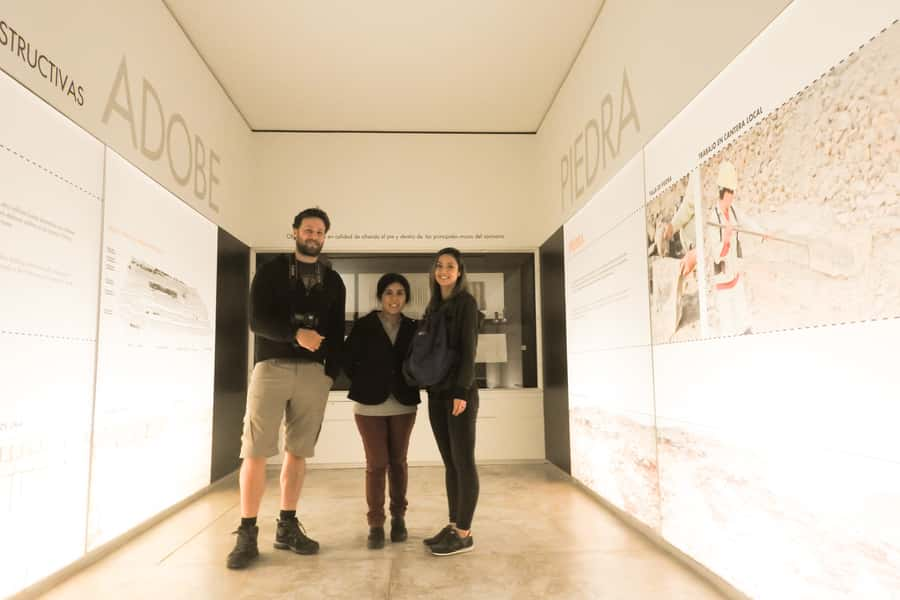
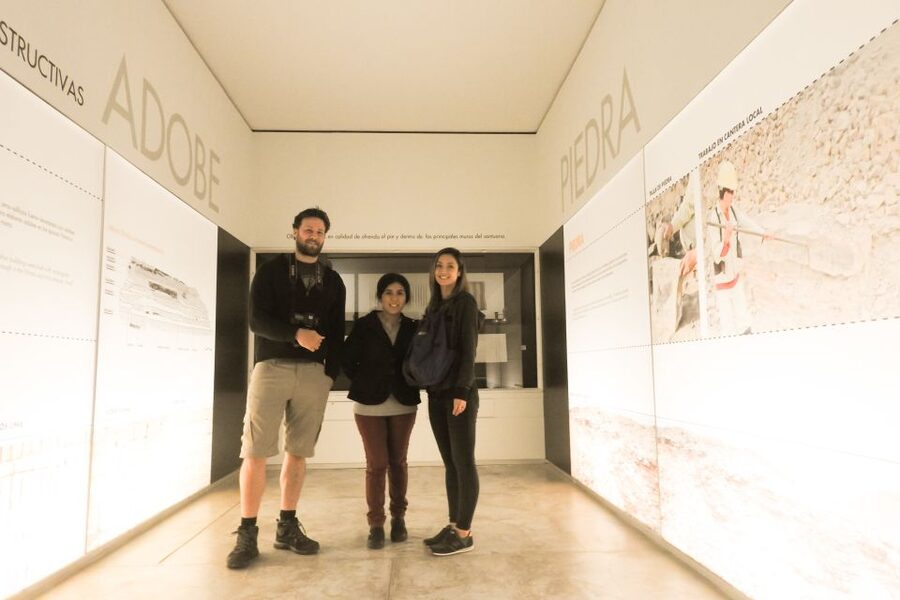
The museum is the right first stop. Without it, the site’s low adobe forms and scattered ruins can be hard to read. Inside, artifacts found at Pachacamac are arranged to explain the beliefs, customs, and cultures tied to the sanctuary.
The visit lasts about 30 minutes, with a guided explanation. Guides have received particularly strong praise for this part of the outing. One description called the museum small but informative, while another noted that its displays are well arranged and easy to follow. That sounds like the right expectation: this is an introduction rather than a full-day museum visit.
Pay attention to how the museum broadens the story beyond the Inca. The site is linked with Lima and Wari traditions as well as the later Inca presence. That context helps you understand why Pachacamac mattered as a religious center and why later builders used and changed an older sacred place.
The museum also helps you notice details outside. After the indoor visit, the pyramids and roads are no longer just sun-baked walls. You have a basic map in your head, along with a sense of how archaeology reveals different stages of use.
Walking the archaeological complex
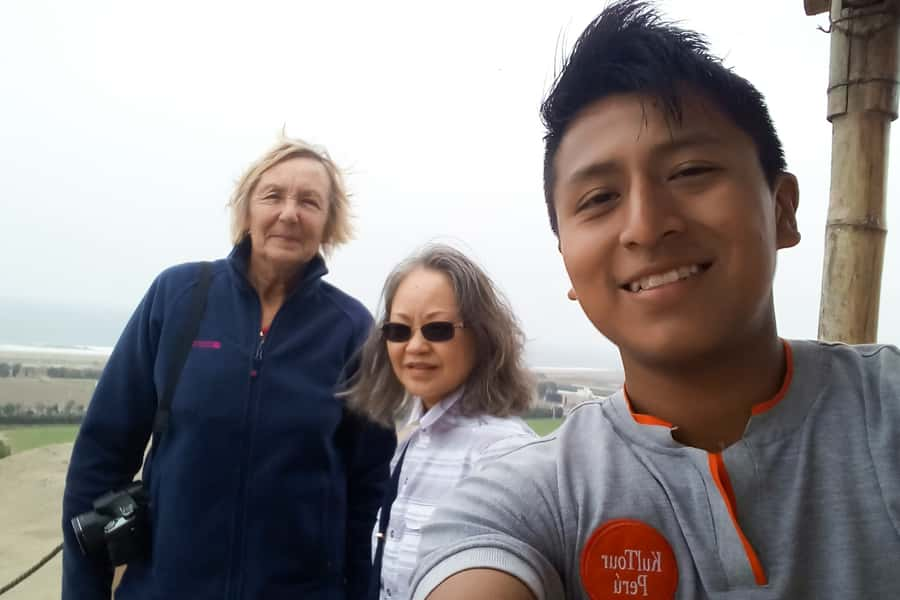
The main outdoor visit lasts about 75 minutes. You will walk through Pachacamac’s sacred area, stopping at structures and hearing about the site’s role in Peruvian history and belief.
This is where the private vehicle becomes helpful. The complex is large, and the car can take you closer to some areas instead of making you walk every stretch under the sun. A past visitor described the route as including gentle uphill and downhill sections, with roughly 30 minutes of walking spread through the visit. The exact route can vary, but you should expect uneven ground and open exposure.
One useful stop is the North South road, which gives you a sense of how the site was organized. The scale of the roads and structures is part of the experience. You are seeing an extensive ceremonial center, not a single isolated building.
Do not expect every ruin to be open for climbing or close inspection. One visitor wanted to climb higher and see more structures up close. That is a fair limitation to keep in mind. Archaeological sites often protect fragile areas, and the experience here is more about seeing the overall setting and learning how it worked than scrambling over every wall.
Wear shoes with a firm sole. Bring sunglasses, a hat, and sunscreen. The supplied guidance specifically recommends comfortable walking shoes, and that advice is worth taking seriously. There is no need to dress for a strenuous hike, but sandals or thin city shoes will make the rougher sections less pleasant.
Same trip, a completely different kind of day:
- Lima: The Charm of Barranco & Pre Inca Pyramid in Miraflores
★ 4.9 · 322 reviews - Lima: Pachacamac Ruins & Barranco Half-Day Guided Tour
★ 4.6 · 296 reviews - Pre Inca Temple of Pachacamac Half-Day Tour from Lima
★ 4.5 · 283 reviews - Lima: Magic Water Circuit Light Show Tour with Pickup
★ 4.9 · 251 reviews
The Temple of the Sun and Pacific views
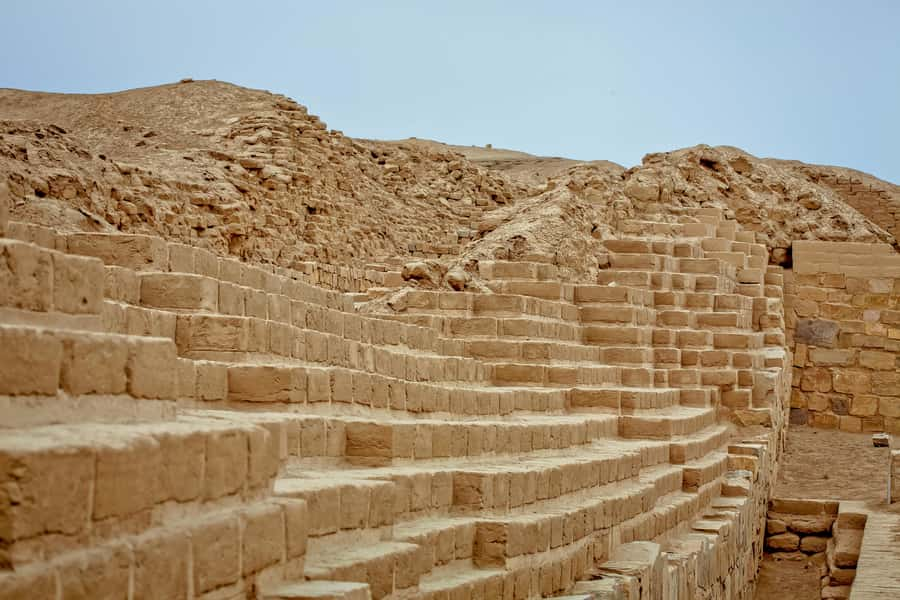
The Temple of the Sun is the visual high point of the visit. From the pyramid, you get views toward the Pacific Ocean, along with a broad look across the archaeological zone.
This is the stop that turns the site from a history lesson into a place you can feel. The open desert setting, the large ceremonial structures, and the ocean beyond help explain why Pachacamac had such power as a sacred center.
The stop includes a guided visit and photo time of about 10 minutes. That is enough for the view and a few photographs, but not a long independent pause. If photography matters to you, have your camera ready before reaching the viewpoint.
Sun can be intense even when Lima feels cool or gray in other parts of the city. A hat and sunscreen are not optional extras here. The site’s exposed setting is part of its appeal, but it is also the main physical challenge.
A private tour with a strong guide component
The advertised group type is private, and that changes the feel of the trip. You are not tied to a large crowd, and you can ask for clarification when a name, date, or cultural term is unfamiliar.
The guide is the most important variable in the experience. Jordan receives repeated praise for his energy, clear English, humor, and grasp of both Pachacamac and modern Peru. Edwin is also described as professional and personable, with strong explanations of Peruvian history and culture. Diana, Maria, Aura, and Jonathan are named in other positive accounts.
The useful distinction is not simply whether the guide speaks English. The listed languages are Spanish, English, French, Portuguese, and Quechua. What matters is whether the guide connects the museum objects to the ruins and answers questions in a way that fits your interests.
The best guides appear to treat Pachacamac as more than a list of dates. They explain how the site fits into Peru’s wider cultural story, discuss traditions and myths, and point out how archaeology is still developing. That approach is especially useful if you are new to South American history.
What the price includes at $79
At $79 per person, the tour is not the cheapest way to reach Pachacamac, but the price covers several items that add up. You get hotel pickup and drop-off, a private guide, museum entrance fees, parking, and transport to and around the site.
The value is strongest if you are staying in Miraflores, Barranco, or San Isidro and want a simple half-day plan. You do not need to arrange a taxi, work out the site’s location, pay separate entry fees, or find your way around a large archaeological area. You also get a guide who can explain what you are seeing.
The value is weaker if you prefer to travel independently, spend several hours at your own pace, or avoid guided visits. The museum and site can be visited as part of a self-planned outing, but you would give up the convenience and the historical explanation that make this trip work well.
Food and drinks are not included. At the end, you receive traditional alfajores, a regional cookie, but this should not be treated as a meal. Bring water and any snack you need for the half-day.
The activity has free cancellation up to 24 hours before departure, and you can reserve now and pay later. Those terms are useful if your Lima schedule may change, but the more important planning issue is traffic.
Accessibility, walking, and who should skip it
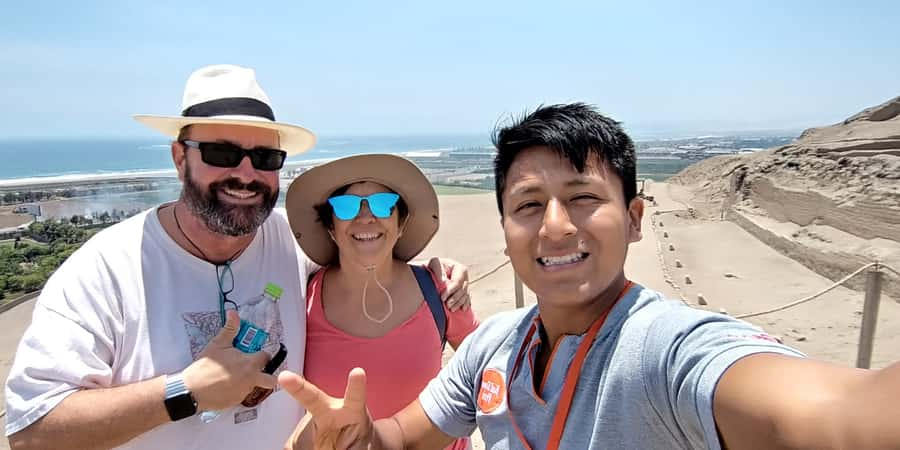
The activity is described as wheelchair accessible in general, but restrictions apply to certain areas. The additional guidance says it is not suitable for wheelchair users or people with mobility impairments, so you should ask for a precise route assessment before booking if this affects you.
The same warning applies to pregnant people and those with back problems. The complex involves walking, uneven ground, and some gentle slopes. Even if the vehicle reduces the distance, it does not remove the outdoor walking.
For most reasonably mobile adults, the outing is moderate rather than strenuous. The heat and sun are more likely to bother you than the distance. Comfortable shoes, sunscreen, a hat, and sunglasses will make a noticeable difference.
This is a good choice for first-time visitors to Peru, history fans, couples, families with older children who can handle the walking, and anyone with only a few days in Lima. It is less suitable if you want a relaxed indoor activity, extensive time for photography, or a fully step-free route.
How the four hours usually fit together
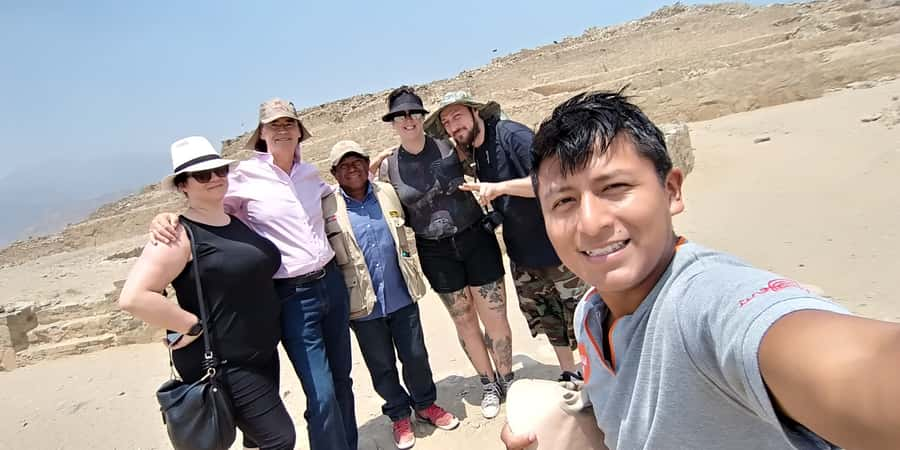
The schedule is built around two 45-minute van rides, a 30-minute museum visit, roughly 75 minutes at the archaeological site, and a shorter photo stop at the Temple of the Sun. That adds up to a compact four-hour experience, though traffic can change the total.
A typical flow looks like this:
- Pickup at your hotel in Miraflores, Barranco, or San Isidro
- Drive southeast to Pachacamac
- Guided visit to the site museum
- Vehicle-assisted route through the archaeological complex
- Walking and explanations around the main structures
- Visit and photo stop at the Temple of the Sun
- Alfajores before the return drive
- Drop-off at your hotel
The plan gives you a useful introduction without taking your entire day. It also means you should not expect every part of the complex to receive equal time. The museum, main outdoor stops, and Temple of the Sun receive priority.
Should you book this Pachacamac tour?
I would book it if you want context, transport, and a private guide in one half-day package. The strongest reasons are the museum-first format, the chance to see a large archaeological zone without walking every road, and the quality of guides such as Jordan and Edwin.
I would hesitate if you have limited mobility, need a guaranteed return time, or prefer to explore ruins alone. Lima traffic can add time, and the sun-exposed walking is real.
For most visitors based in Miraflores, Barranco, or San Isidro, $79 is a reasonable price for an efficient introduction to Pachacamac. It will not replace a longer archaeological visit, but it gives you a clear, memorable sense of why this place matters, with the Pacific view and a sweet alfajor to finish.
FAQ
How long does the Pachacamac tour last?
The stated duration is four hours. Traffic may make the total outing longer, especially on the return to Lima.
Where is hotel pickup available?
Pickup is available from hotels in Miraflores, Barranco, and San Isidro.
Is hotel drop-off included?
Yes. Drop-off is offered in Miraflores, Barranco, and San Isidro.
What does the $79 price include?
The price includes hotel pickup and drop-off, museum entrance fees, a guide, parking, and transport.
Are food and drinks included?
No. Food and drinks are not included. Traditional alfajores are provided during the return portion of the experience.
What languages can the guide speak?
Guides are listed as available in Spanish, English, French, Portuguese, and Quechua.
Is the tour private?
Yes. The group type is listed as private.
What should I bring?
Bring comfortable walking shoes, sunglasses, a sun hat, and sunscreen.
Is the activity suitable for wheelchair users?
The activity is described as having some wheelchair access, but restrictions apply to certain areas. It is also listed as unsuitable for wheelchair users and people with mobility impairments, so you should confirm the exact route before booking.
Just added around Lima
- Surf lessons in Lima, Peru surf lessons best experience★ 5.0 · 40 reviews
- Lima City Tour Plus + Video by Drone – Group★ 5.0 · 59 reviews
- 7 Day Peru Private Journey★ 5.0 · 71 reviews
- 7 Day Exploration Tour from Cusco to Lima★ 5.0 · 85 reviews
- Miraflores: Amazing Peruvian Cooking Class Ceviche Seafood and Pisco Sour★ 4.9 · 57 reviews
- Lima: Magic Water Circuit with Dinner★ 4.5 · 59 reviews
- Lima: Live Magic Water Show Experience★ 4.9 · 60 reviews
- Lima Street Food: A gastronomic adventure through the city.★ 4.5 · 42 reviews
Lima Tours, compared.

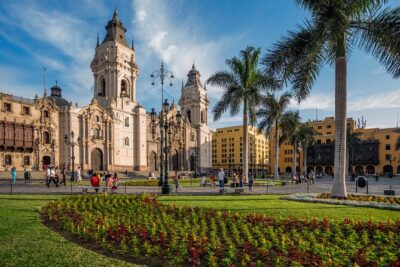
Lima’s Vibrant Heritage: Exploring the City’s Landmarks Half-day
Read our review →
Private transfers from Lima Airport or to Lima Airport
Read our review →
Lima: The Charm of Barranco & Pre Inca Pyramid in Miraflores
Read our review →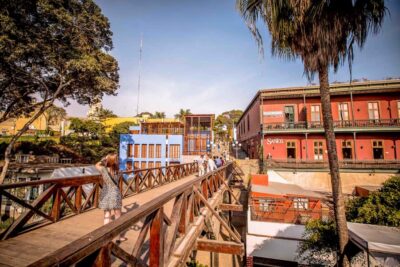
Lima: Pachacamac Ruins & Barranco Half-Day Guided Tour
Read our review →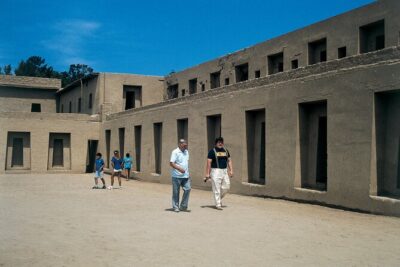
Pre Inca Temple of Pachacamac Half-Day Tour from Lima
Read our review →
Lima: Magic Water Circuit Light Show Tour with Pickup
Read our review →
Lima: Paragliding Flight Over Costa Verde Districts
Read our review →Browse the lists this tour appears in