
Reviewed · WINE TOURS
Mendoza: Half-Day Wine Tour with Tastings
Mendoza’s wine country is an oasis made by human effort. Ancient irrigation canals, inherited from the Huarpes, carry water through an otherwise dry region, allowing vineyards, olive trees, and modern wineries to thrive. This five-hour outing gives you a useful introduction without taking over your whole day.
I like the contrast between two different wineries and the olive oil stop, and I like the price: $43 covers transport, visits, and tastings. Guides such as Claudia, Marta, Mica, and Fabricio have made a strong impression on past departures, especially when explaining the tour in English and Spanish.
The main catch is that this is a shared coach tour, not a quiet private wine-country outing. The wineries change each day, some stops can feel rushed or crowded, and lunch is not included, so eat before pickup.
Key points at a glance
- The desert-to-oasis story: Learn how Huarpes irrigation canals helped make Mendoza’s vineyards possible.
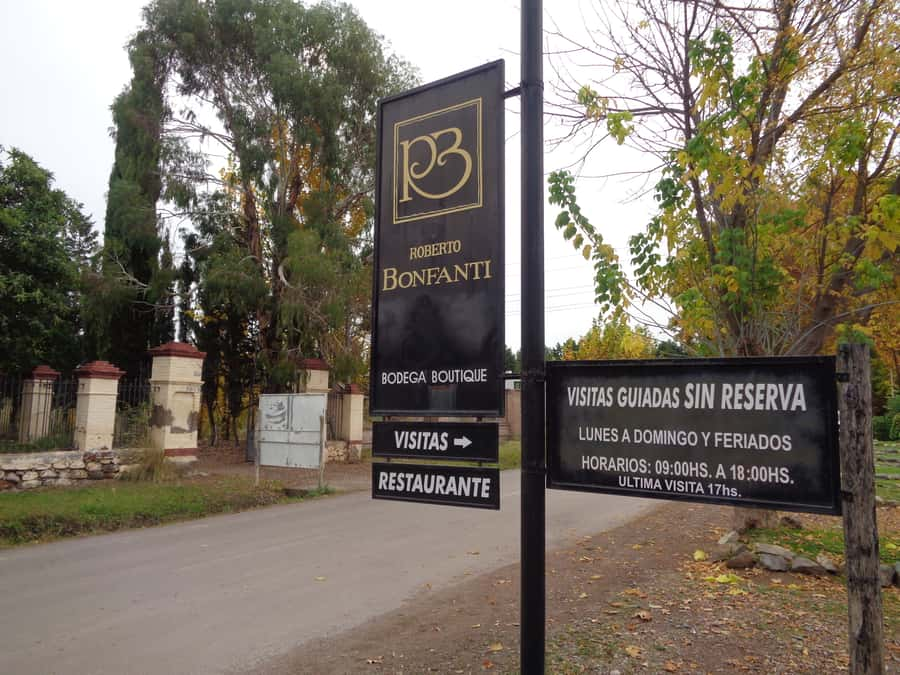
- Two winery visits: The operator selects from wineries including López, Nieto Senetiner, Vistandes, Bonfanti, Florio, Dante Robino, Don Arturo, and Cecchin.
- Olive oil in the regular option: Visit Pasrai or Laur for oil, olives, and sometimes balsamic or vinegar tastings.
- Five hours is a sensible length: You get a clear introduction without committing to a full-day excursion.
- Good language support: Guides operate in English, Spanish, and Portuguese, with language groups often separated at the wineries.
- Bring food and sturdy shoes: There is no lunch, and comfortable footwear helps during cellar and production visits.
Why Mendoza’s wine country begins with water
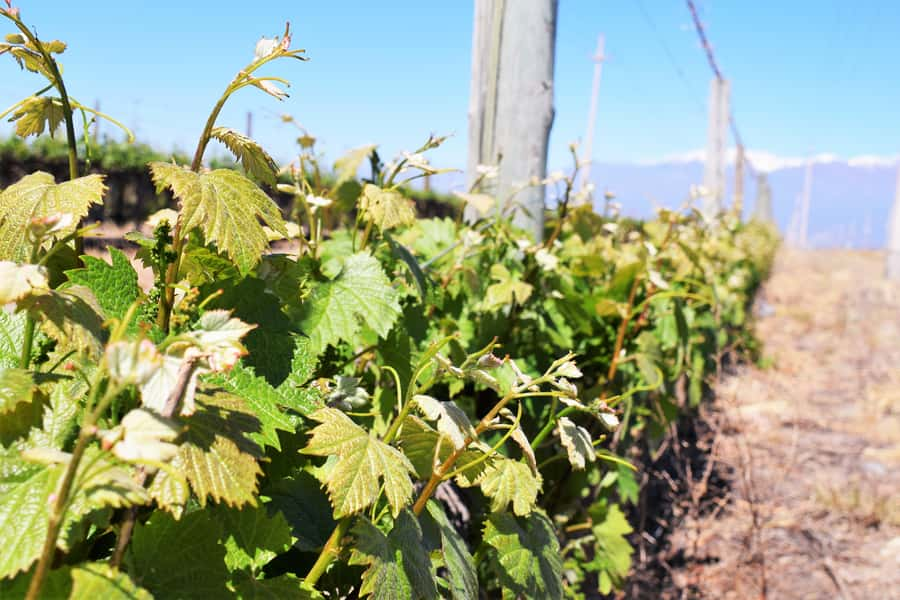
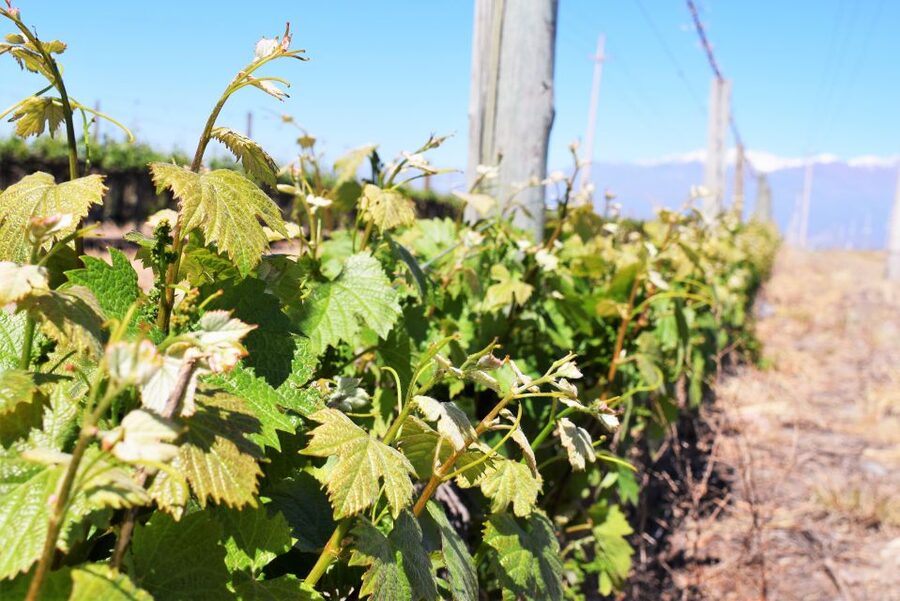
Before you taste Malbec, you need to understand the water. Mendoza sits in a dry part of Argentina, yet its vineyards look possible only because an irrigation network moves meltwater and river water through canals around the province.
The tour places that transformation in context as you drive out from central Mendoza. Your guide explains how the canal system connects to the Huarpes, the native people of the region, and how later human labor turned dry ground into productive farmland.
That detail gives the trip more weight than a simple sequence of tastings. You are not only sampling wine in an attractive setting. You are seeing how agriculture, engineering, and local tradition shaped Mendoza’s identity.
The drive from the city to the first stop takes about 30 minutes. That is enough time for your guide to explain the area, though bilingual commentary can affect how much detail you hear. On one departure, Spanish commentary was so loud and continuous that the English explanation became hard to follow on the bus. If that happens, ask your guide directly for a short English explanation before arriving.
More Wine Tours in Argentina
- Mendoza: Full Day Wine Tour with 3 Course Lunch
★ 4.3 · 153 reviews - Mendoza Hop-On Hop-Off Wine Tour
★ 4.0 · 130 reviews - Mendoza: Make an Argentine Asado BBQ w/ Local Host & Wine Tasting
★ 5.0 · 80 reviews
Two wineries, with a different pair each day
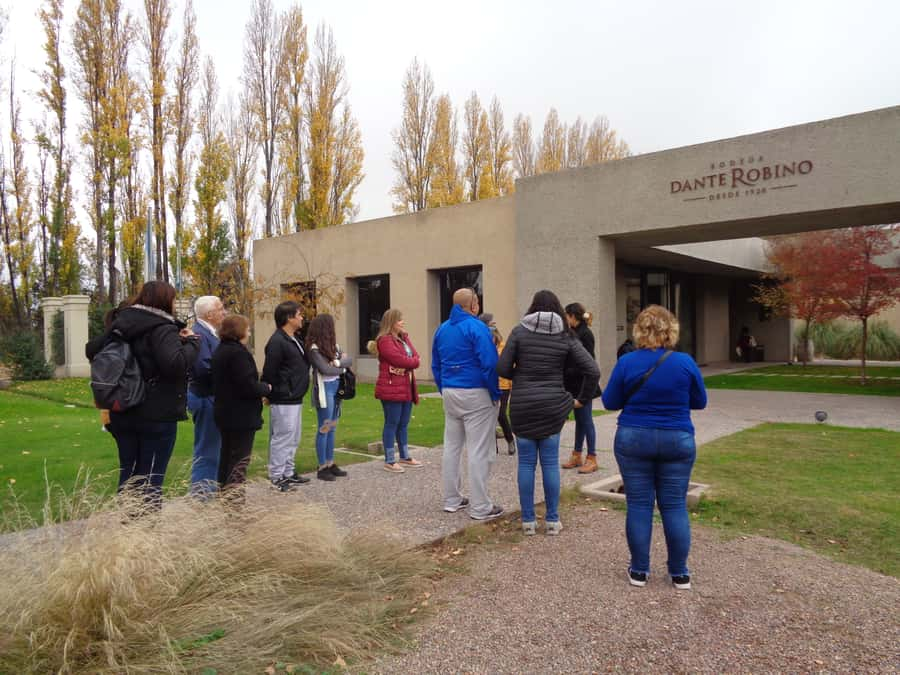
The operator does not promise one fixed winery lineup. Instead, you visit two or three selected producers in Luján de Cuyo or Maipú, chosen from a rotating list that includes Bodega López, Nieto Senetiner, Vistandes, Bonfanti, Florio, Dante Robino, Don Arturo, and Cecchin.
That changing schedule is worth understanding before you book. You cannot choose a specific winery from the information provided, and the character of the day depends partly on the pair selected.
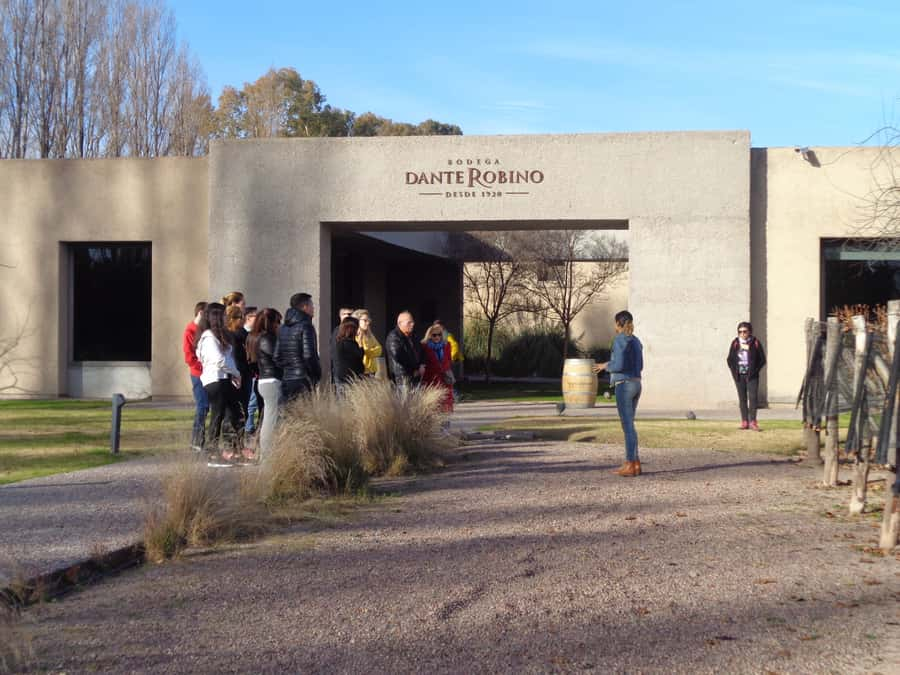
At each winery, a local guide explains the process from grape to bottle. You learn about production, storage, and the work involved in turning harvested grapes into finished wine. The educational portion generally lasts about an hour, followed by tasting.
The wineries can offer useful contrast. Bodega López, for example, has been described as a more commercial operation, while Don Arturo offers a smaller, more intimate family setting. That difference is valuable because it shows that Mendoza wine is not one single experience. Large-scale production and family-run work can sit within the same region.
Some visits include a chance to see a small area of vines, but do not book this expecting a long vineyard walk at every stop. One past departure visited production facilities that had only small plots of vines. The focus is wine making and tasting, rather than a long hike through rows of grapes.
What the tasting stops are really like
The tastings are the heart of the excursion, but the format can vary from one winery to another. You should expect several pours and an explanation of the wines, though the exact number is not fixed. One departure included seven wines across three winery visits, while other days focused on two wineries and the olive oil producer.
I like this approach for a first visit to Mendoza because you get a broad sample in a short period. You can compare styles, note which wines you prefer, and decide what to seek out later in your trip.
The quality of the presentation depends on the stop and the size of the group. Some local guides give clear, enthusiastic explanations and speak very good English. Others move quickly, particularly when several coaches arrive at once.
A few practical details matter here:
- A commercial winery can feel polished but busy.
- A family producer may feel more personal but offer a shorter or less elaborate visit.
- Sweet wines may appear at some stops, especially at Florio, which will appeal more to some palates than others.
- Language groups are often separated at the wineries, so English speakers may receive a more focused explanation even when most of the coach speaks Spanish.
Past guides have included Claudia, Marta, Mica, Mika, and Fabricio. The names and assignments change, but the strongest part of the guiding is usually the human connection: answering questions, keeping the group moving, and explaining local customs during the drives. Mica, Marta, and Fabricio were especially praised for clear bilingual explanations and an easygoing manner.
The olive oil stop adds a welcome change of pace
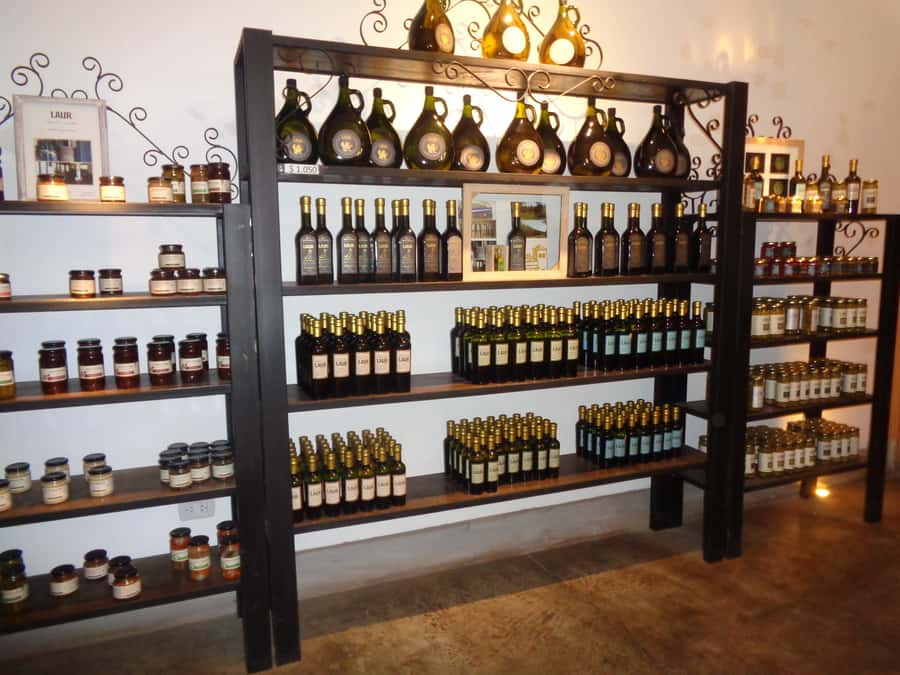
In the regular option, you visit an olive oil factory after the winery visits. The operator uses Pasrai or Laur, depending on availability.
This stop matters because olive oil is another major Mendoza specialty, and it breaks up several hours of wine tasting. You receive an introduction to production and sample oils, olives, and sometimes balsamic vinegar or related products.
Laur has been associated with vinegar production on some departures, while Pasrai is another possible stop. The exact presentation changes, but the basic idea remains the same: you learn how another local product is made and get to taste it rather than simply hearing about it.
The olive oil visit is often shorter than a winery tour, but that is probably a benefit on a half-day schedule. After two wineries, a change in flavor and subject keeps the afternoon from becoming one long repetition of tanks, barrels, and tasting glasses.
There is one important qualification. The regular option includes the olive oil factory, but the stop can be changed or canceled when conditions interfere. A strong Zonda wind once led to an olive visit being replaced by a third winery. Weather, availability, and the day’s route can all affect the final lineup.
More Wine Tours in Mendoza
- Mendoza: Premium Wine Tasting
★ 4.4 · 48 reviews - Mendoza: Wine Tasting Tour with Lunch and Private Transport
★ 4.6 · 48 reviews
Five hours, four drives, and a manageable pace
The stated duration is five hours, with roughly 30-minute coach transfers between major stops. The route begins with pickup in central Mendoza City and ends with drop-off back in the city, commonly around Av. Sarmiento 501-599.
The time is divided into transport and visits rather than spent entirely at tasting tables. A typical pattern includes:
- Pickup in central Mendoza.
- A 30-minute drive into the wine region.
- A winery tour and tasting lasting about an hour.
- Another transfer of around 30 minutes.
- A guided visit in Maipú or the surrounding area.
- A final winery tasting, or a winery and olive oil visit depending on the day.
- Return to Mendoza City.
That structure makes this a good choice if you have limited time or want to keep your evening free. Five hours gives you a real introduction while avoiding the fatigue that can come with an all-day tasting program.
The tradeoff is limited flexibility. You travel on the group’s timetable, wait for other people, and may spend time on the coach between stops. One departure had two English speakers receive especially focused attention because they were the only English-speaking passengers. Another had English speakers waiting while the Spanish-language group finished a tasting. That can happen on a multilingual tour.
The vehicles have generally been described as comfortable, and pickup and drop-off are included at central accommodations. Be ready at the agreed location and keep your phone available for operator communication, especially if your lodging is not directly on a major street.
What the $43 price includes
At $43 per person, this is one of the more economical ways to reach Mendoza’s wine country without arranging a private driver. The value comes from combining transport, a guide, two winery visits, tastings, and an olive oil stop in a single half-day.
A private wine outing would give you more control over the wineries and the pace, but it would cost more. A longer premium tour might include lunch or a more polished tasting setup, while this experience keeps its focus on access and variety.
I would judge the price by your expectations. If you want a practical introduction to Mendoza wine, this is strong value. If you already know the region well and want rare bottles, long conversations with winemakers, or an elegant meal among the vines, you may find the format basic.
There is no lunch, and the schedule leaves little room to buy food between stops. Eat before pickup. This is not a minor point, especially if you plan to taste several wines and spend five hours away from central Mendoza.
The activity allows cancellation up to 24 hours before departure for a full refund, and you can reserve without paying immediately. Those terms are useful when your Mendoza schedule is still changing, though the main decision remains the style of tour rather than the booking policy.
How language support works on a multilingual coach
The tour is offered in English, Spanish, and Portuguese. That makes it a practical option for mixed-language groups, and the winery guides may divide the group by language at each stop.
English support has generally been strong, but it is not always delivered in exactly the same way. At some stops, the English-speaking portion receives a separate guide. On the coach, however, bilingual commentary can become uneven if one language takes up most of the drive.
I would ask your guide early in the trip how the languages will be handled. If you need English, say so at pickup rather than waiting until the first winery. Guides such as Marta and Mica have been praised for switching between English and Spanish clearly, while some departures have offered near-private attention to the small English-speaking group.
Portuguese speakers should also be able to join with a live guide, though the exact language balance depends on the day’s group.
Who should book this Mendoza wine tour?
I would recommend it to first-time visitors who want to understand Mendoza’s wine culture without giving up a full day. It also suits anyone staying in central Mendoza who does not want to arrange taxis, rental cars, or a private driver.
It is a good fit for:
- People who want a low-cost introduction to wine tasting.
- Couples and small groups who enjoy shared excursions.
- Visitors curious about both wine and olive oil.
- English, Spanish, or Portuguese speakers who want guided explanations.
- Anyone with only half a day available.
- Wine drinkers who prefer variety over one long visit at a single estate.
You may want another format if you need a fixed winery list, a private itinerary, lunch, or a slow tasting with no waiting. It is also not the best choice for someone who dislikes group transport or wants a strong vineyard setting at every stop.
Wear comfortable shoes and bring your passport or ID card. You will be moving through production areas and tasting rooms, and the day may include short walks over firm or uneven surfaces. The tour is educational, but it is still a tasting outing, so pace yourself.
Should you book it?
Book this tour if you want the basic Mendoza wine-country experience at a sensible price: transport from the city, two changing winery visits, several tastings, a local guide, and olive oil in the regular option.
The best reason to choose it is balance. You get the story of the irrigation canals, a look at different production styles, wine and oil samples, and enough time left in the day for other plans.
Skip it if your priority is a specific winery or a long lunch. The rotating schedule is central to the format, and a crowded or rushed stop is possible. For most first-time visitors, though, the five-hour length and $43 price make this a practical way to get oriented before deciding which Mendoza wines and producers deserve more of your time.
FAQ
How long does the Mendoza wine tour last?
The tour lasts five hours, including coach transfers between central Mendoza and the wineries or olive oil factory.
Where does pickup take place?
Pickup and drop-off are included at accommodations in central Mendoza City. The listed central meeting and return area is Av. Sarmiento 501-599.
How many wineries will I visit?
You will visit two selected wineries in the standard plan. The exact wineries change by day, and some departures may include three winery visits if the olive oil stop is replaced or the route is adjusted.
Which wineries might be included?
Possible wineries include Bodega López, Bodega Nieto Senetiner, Bodega Vistandes, Bodega Bonfanti, Bodega Florio, Bodega Dante Robino, Bodega Don Arturo, and Bodega Cecchin.
Is the olive oil factory included?
Yes, the regular option includes a guided olive oil factory visit with tastings. The operator uses Pasrai or Laur depending on availability, but the stop can change because of weather or scheduling.
Is lunch included?
No. Eat before the tour because lunch is not provided and there may be little time to buy food between stops.
Just added around Mendoza
- Mendoza: Premium Wine Tasting★ 4.4 · 48 reviews
- Mendoza: Wine Tasting Tour with Lunch and Private Transport★ 4.6 · 48 reviews
- Mendoza: Winebike Tasting Tour with Optional Lunch★ 4.1 · 73 reviews
- Mendoza: River Rafting & Canopy in the Andes Mountain Range★ 4.2 · 57 reviews
- Mendoza: 12-KM River Rafting Tour in the Andes★ 3.9 · 94 reviews
- Mendoza: High Mountain Experience, a Tour through the Andes★ 4.5 · 78 reviews
- Mendoza: Paragliding Tandem Flight with Instructor★ 4.8 · 42 reviews
- From Mendoza: Premium Spa Day at the Cacheuta Hot Springs★ 4.5 · 60 reviews
Wine Tours, compared.
Jolimont Winery Tour – Visitation and Tasting – Canela RS
Read our review →
Maipo Valley Wine Tasting Tour with 4 Vineyards
Read our review →
Full-Day Tour Cafayate Calchaqui Valleys with Wine
Read our review →
Lima: Paracas & Huacachina Oasis Day Trip with Wine & Dunes
Read our review →
Browse the lists this tour appears in