
Reviewed · STREET FOOD TOURS
Lima Street Food: A gastronomic adventure through the city.
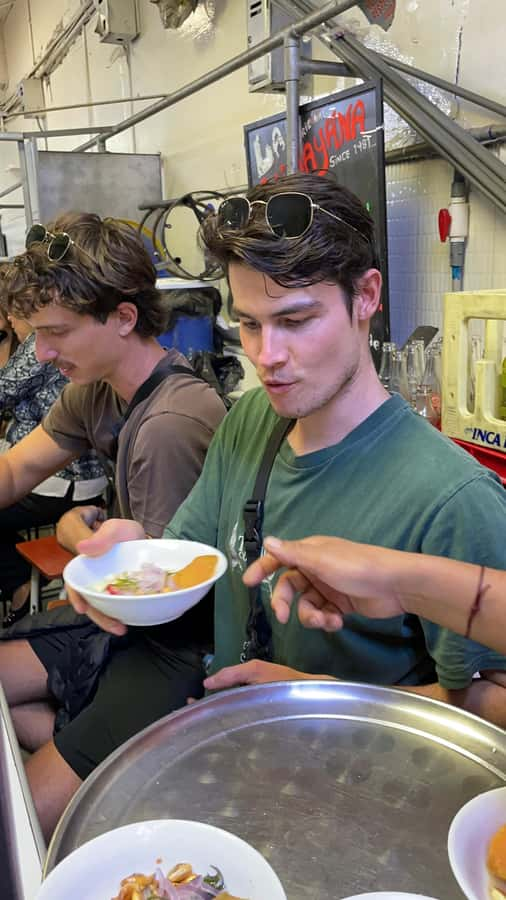
Lima gives you a lot to taste in one afternoon: fresh ceviche, tropical fruit, crisp churros, Chinese-Peruvian snacks, and a pisco tasting beneath the city lights. The route links food with Lima’s streets, markets, Chinatown, and historic center rather than keeping you at one restaurant.
I like the wide range of samples, especially the chance to try ingredients you might not choose on your own. I also like the public-bus start, which makes the move from Miraflores to central Lima cheap and more local. Guides such as Claudia, Chris, Michael, and Yozi have been singled out for friendly company and clear explanations.
The main consideration is pace. You walk, ride a bus, eat at several stops, and spend time in markets, so this is not a quiet sit-down meal. The food is varied rather than universally familiar, and the afternoon can last closer to four hours when the group is large.
Five useful things to know before you go
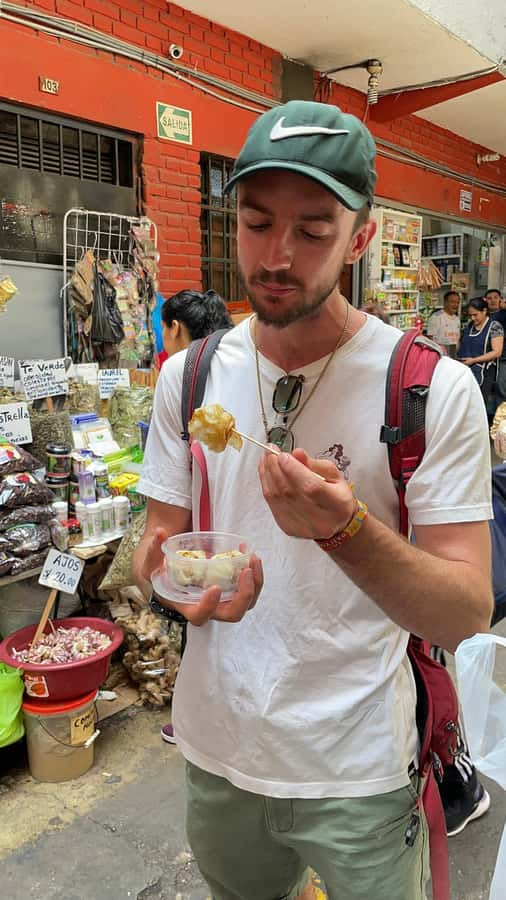
- Ceviche and tropical fruit anchor the food walk: Expect fresh coastal flavors alongside sweet fruit and other local samples.
- Chinatown adds a different side of Lima: Chinese-inspired snacks bring Peru’s cross-cultural cooking into the route.
- The tasting menu keeps changing: You may try churros, stuffed olives, Andean cheese, beans, corn, soup, meat, fish, and spiced foods.
- Public transport is part of the plan: The tour starts outside Benavides Metropolitano station, with the bus ride costing about $1 if you need it.
- Pisco closes the afternoon: Chicha morada, Peruvian spirits, and a tasting near Plaza Mayor give the final stretch a more relaxed feel.
From Benavides station to central Lima
The meeting point is outside Benavides Metropolitano station. You need to make your own way there, so allow time to find the correct exit and look for the guide. The supplied meeting instructions are in Spanish: find your guide outside the Benavides bus station.
The transfer into central Lima takes about 30 minutes by bus. It is not included in the $60 price, and the estimated fare is about $1. A taxi from the area costs roughly $7, also paid separately. I like the bus option because it keeps the tour affordable and gives you a small look at everyday city movement before the food stops begin.
One practical detail matters here: the bus ride may not feel especially comfortable. A January tour was described as economical but not pleasant, so choose the taxi if you value ease over saving a few dollars, or if you are carrying a lot of luggage. The guide may travel with you, as Claudia did on one tour, which makes the transfer simpler for anyone unsure of the route.
The tour is advertised at 210 minutes, or three and a half hours, but the actual outing can run to about four hours. Group size affects the timing. Food tours with several stops naturally slow down when everyone needs an explanation, a sample, and time to move through a market.
More City Tours in Lima
- Lima’s Vibrant Heritage: Exploring the City’s Landmarks Half-day
★ 4.5 · 581 reviews - Lima: City Highlights Small Group Tour
★ 4.9 · 132 reviews - City Tour Panoramic Bus Departure from Larcomar
★ 5.0 · 97 reviews
Lima’s markets and the first round of bites
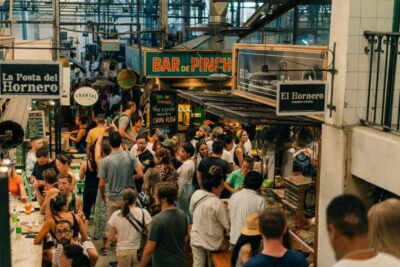
The central food section lasts about an hour and a half. This is the heart of the experience, with walking, market visits, food tasting, and short explanations about Lima’s food culture.
Ceviche is the obvious star. It gives you a direct taste of Peru’s coastal cooking, with fresh fish and sharp, lively seasoning. The exact preparation and serving point are not specified, so you should expect a local tasting rather than a full restaurant portion. That is useful if you want to compare several foods in one afternoon, but less useful if you are hoping for one large, leisurely ceviche lunch.
The fruit tasting adds color and contrast. You can try tropical fruit with flavors and textures that may be unfamiliar, and the market setting gives you a better sense of how produce fits into daily life. Bring water and use sunscreen, since this is an outdoor walk through the city rather than an indoor food class.
Other samples listed for the tour include stuffed olives from southern Peru, Andean cheese, beans and corn with different spices, and possibly soup, meat, or fish. The food list is broad, but not every item is guaranteed as a separate stop in a fixed order. Think of the menu as a generous outline of what you may taste.
This variety is one of the tour’s strengths. You can move from salty olives to creamy cheese, earthy beans, seasoned corn, bright fruit, and seafood in the same afternoon. It also means some bites may appeal more than others. That is part of the point, especially if you want to test unfamiliar foods rather than stay with safe choices.
Why the food matters beyond the plate
Lima’s food culture reflects more than one tradition. The route brings together coastal seafood, Andean ingredients, local sweets, tropical produce, and Chinese-Peruvian cooking. You do not need to know the background before you arrive. A good guide can connect each sample to the city and explain what you are tasting in plain language.
This is where the guide makes a real difference. Claudia has been praised for making the route feel personal and for speaking clear English. Chris has led tours that combine food with stops at historic monuments, while Michael has been described as strong at connecting food and city culture. Yozi and Yezi have also led outings praised for their explanations and the amount of food sampled. Guide assignments can change, but the available tours run in English and Spanish.
The approach suits you if you want context without sitting through a formal lecture. You walk, stop, taste, and keep moving. If you prefer to spend an hour at one market stall or restaurant, this format may feel rushed.
Chinatown brings Chinese-Peruvian flavor
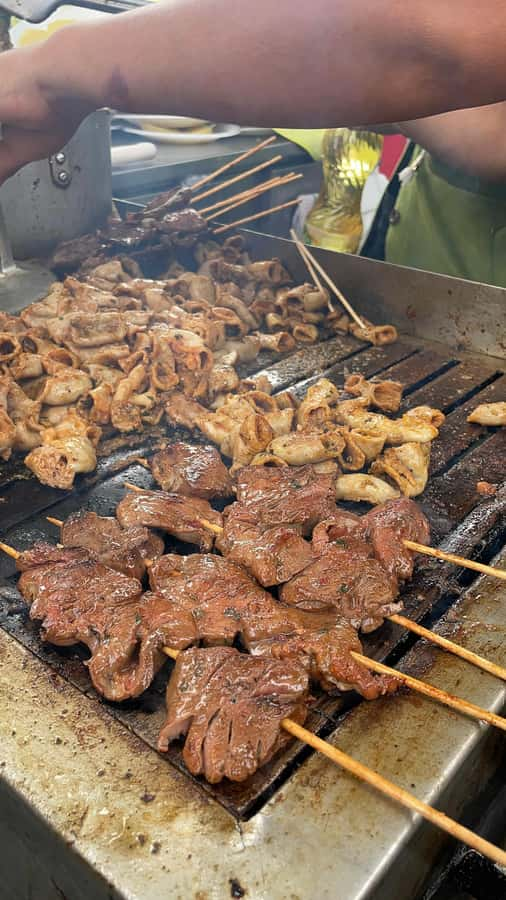
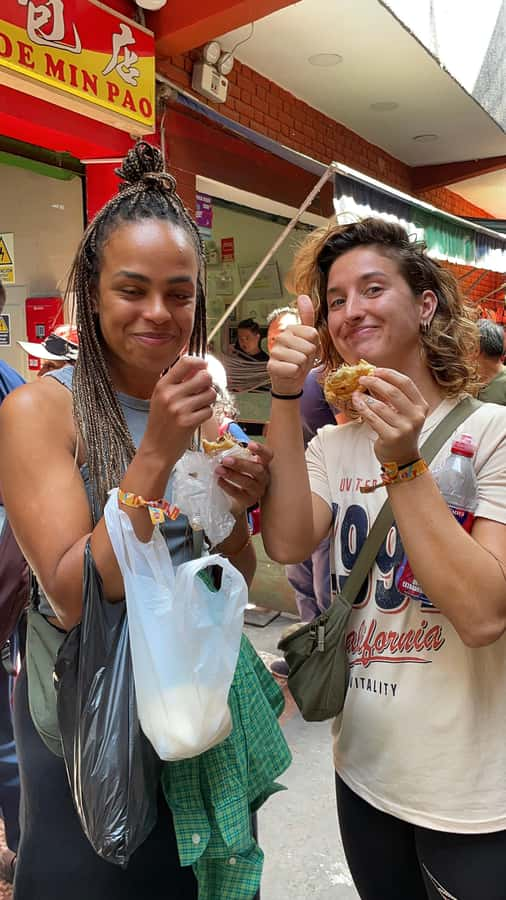
The Chinatown section lasts about 30 minutes. It is a short stop, but it changes the tone of the food walk. Instead of focusing only on familiar Peruvian dishes, you sample Chinese-inspired snacks in one of Lima’s most distinctive food districts.
The experience is about contrast. After seafood, fruit, cheese, beans, or corn, Chinatown gives you a different set of flavors and cooking traditions. The tour description calls these authentic Chinese snacks, but it does not list each dish, so you should not book expecting a precise menu.
Thirty minutes is enough for a focused tasting and a quick look around. It is not enough for a full neighborhood tour or a long restaurant meal. I see that as a fair trade because Chinatown is one part of a much wider route. You get a taste of the area without losing the rest of the afternoon.
If you have food allergies or strong dietary limits, ask about the samples before booking. The available information does not provide an allergy policy or a vegetarian menu. You should also tell the guide about any restrictions at the start, since the route includes mixed foods and extra purchases are your responsibility.
More City Tours in Peru
- City Tour of Lima from the Airport
★ 4.5 · 84 reviews - Lima City Tour Plus + Video by Drone – Group
★ 5.0 · 59 reviews - Lima: City Highlights Walking Tour & Catacombs
★ 4.9 · 41 reviews - Lima : City Tour by Panoramic Bus – Walking & Catacombs
★ 4.3 · 41 reviews
Plaza Mayor connects food with Lima’s past
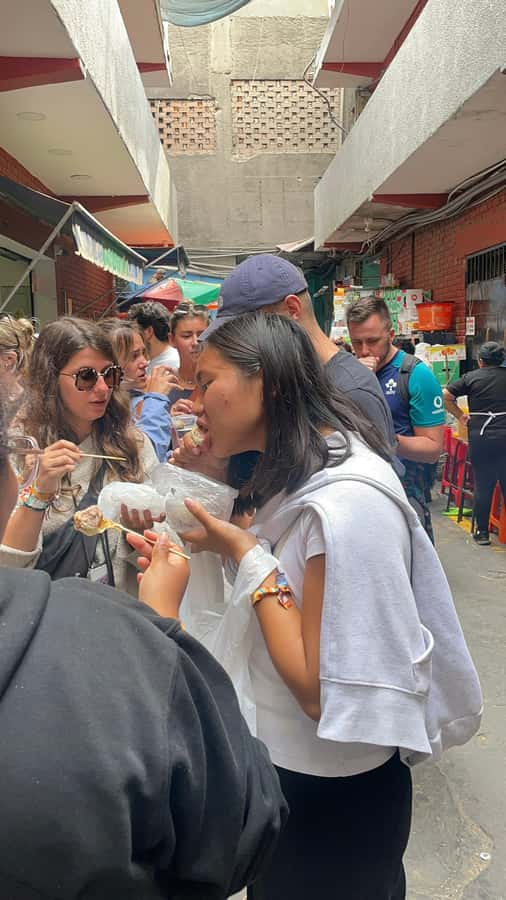
The group then reaches Plaza Mayor for another 30-minute section of walking, sightseeing, and food tasting. This is a useful change from the market stops. You can look at central Lima while continuing to sample local food instead of treating the historic center as a separate sightseeing trip.
Some guides have added short explanations at monuments along the way. That makes the route more than a checklist of snacks. You get a basic sense of the city’s historic core while moving toward the final tasting.
The plaza section is also a good reason to wear comfortable shoes. The tour involves walking between food points, markets, Chinatown, and the center. Sunglasses, a hat, sunscreen, and a refillable bottle of water are sensible additions. A power bank is useful if you plan to photograph the food and streets throughout the afternoon.
The finish is in Centro Histórico, not back at Benavides station. Plan your next move from there. The tour does not include a return transfer, and pick-up or drop-off can only be arranged for an extra charge.
Chicha morada and the pisco finish
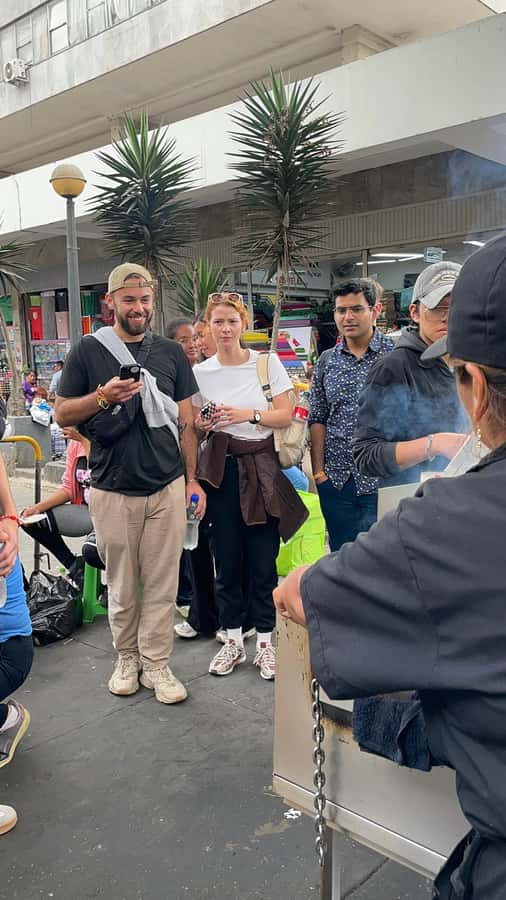
The final 45 minutes focus on spirits and wine tasting at Plaza Mayor. Pisco is the closing feature, giving you a chance to sample one of Peru’s best-known spirits after the food stops. The setting is described as an evening-style tasting with city lights, conversation, and Peruvian hospitality, though the exact venue is not provided.
Chicha morada comes earlier in the tasting story as a traditional Peruvian drink. Made from purple corn in the familiar Peruvian style, it offers a sweet, spiced contrast to the savory foods. The tour frames a first sip as a connection to Peru’s past, and that is a useful way to think about it: this is not only a thirst-quencher but also one of the country’s familiar traditional drinks.
The pisco tasting is included, but extra drinks are not. The number of pisco pours is not specified, so do not assume this is a full bar experience. If you want additional cocktails, wine, beer, or soft drinks, bring cash for purchases.
Cash is worth carrying for another reason. Food and drinks outside the listed inclusions, the bus or taxi, and any personal purchases are not covered. A small amount of Peruvian currency is more practical than relying on a card at every stop.
Is $60 a fair price?
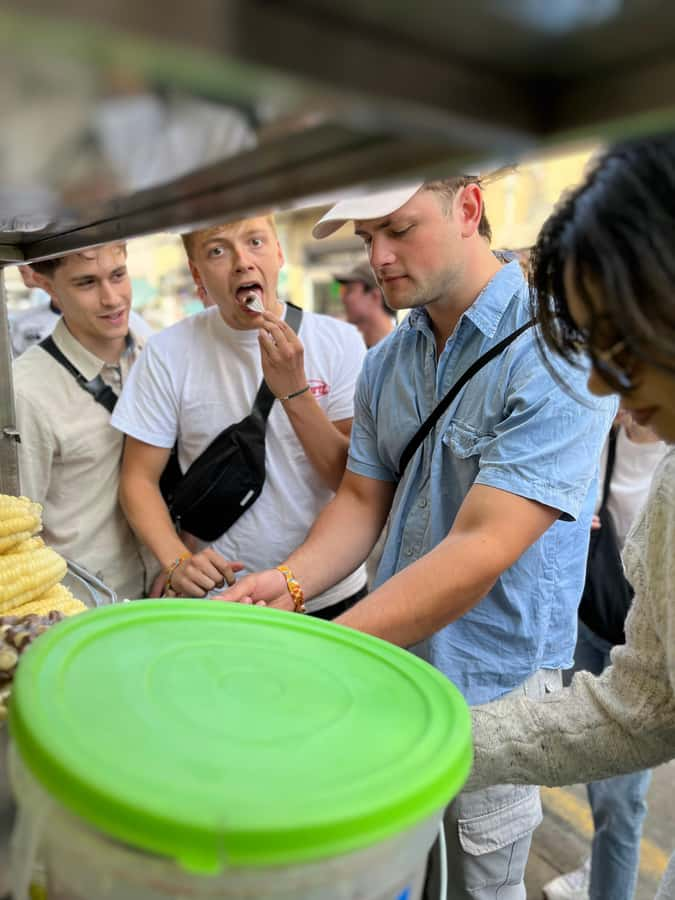
At $60 per person, this is not the cheapest way to eat in Lima. You can buy individual street foods for much less. The value comes from having one guide organize the route, explain the food, connect several parts of the city, and include a large number of tastings plus pisco.
The strongest value is the variety. You are not paying for one dish. You are paying for ceviche, fruit, churros, Chinatown snacks, chicha morada, stuffed olives, Andean cheese, beans, corn, and a pisco tasting, with the exact selection depending on the day.
The price also includes a useful first orientation to central Lima. Several guides have combined food information with city history, and that can help you decide which dishes and neighborhoods deserve more of your time later.
I would call it good value if you are new to Lima, enjoy trying many small portions, and want a guide for foods you might not confidently order alone. It is weaker value if you already know the city’s markets, dislike group pacing, or want a single substantial meal. You may still leave full because the samples are described as plentiful, but the tour is designed around discovery rather than a formal lunch.
Who will enjoy this food walk most?
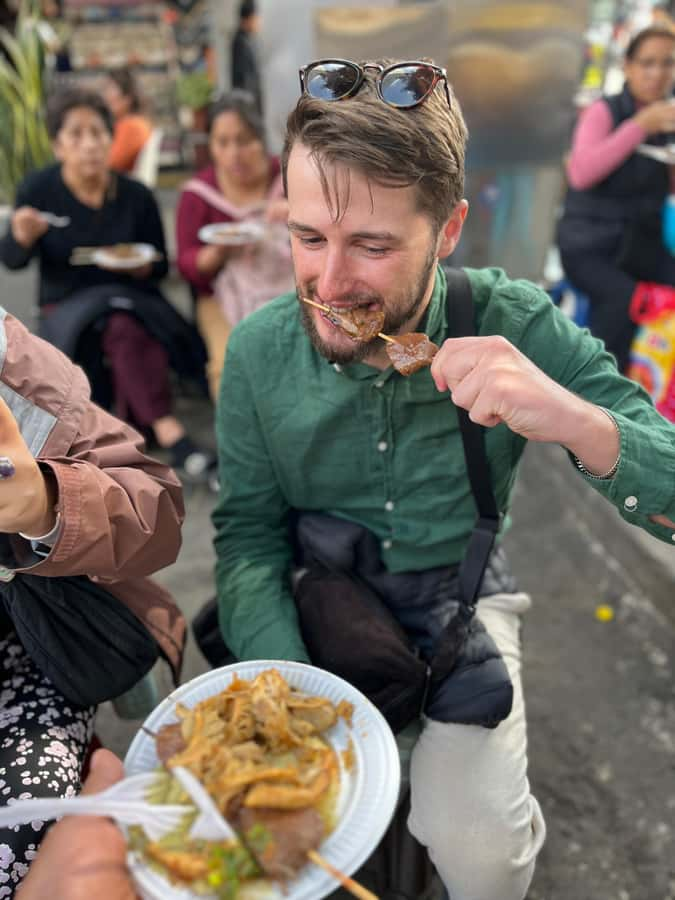
This tour fits curious eaters, first-time Lima visitors, and anyone who wants food and city sights in the same afternoon. It also suits solo visitors. Some outings have ended up as private tours when only one person booked, giving that person more time with the guide and more control over questions.
The English and Spanish options make the tour accessible to a broad range of visitors. Guides including Claudia and Chris have been praised for their friendly manner and clear communication, but the guide you receive depends on the date.
Families should check the age details before booking. Unaccompanied minors are not allowed. People over 95 are not accepted, and the supplied information gives conflicting signals about mobility: the activity is marked wheelchair accessible, but it is also described as unsuitable for people with mobility impairments. Because the route includes public transport, markets, and extended walking, I would contact the provider before paying if you use a wheelchair or have limited mobility.
Wear shoes you can walk in for several hours. Bring sun protection, water, cash, and a power bank. Weapons, sharp objects, and explosive substances are not allowed.
Should you book Lima Street Food?
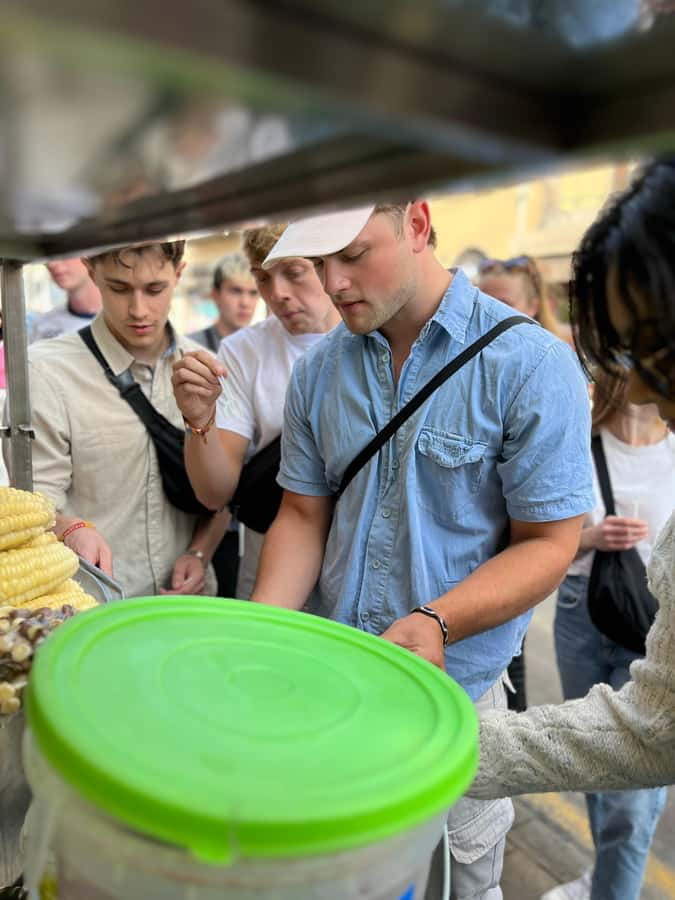
I would book this tour if you want a broad, social introduction to Lima’s food and central streets. The best parts are the mix of ceviche and market fruit, the short Chinatown stop, the chance to try less familiar foods, and the pisco tasting at the end.
I would skip it if you want a slow restaurant meal, need a tightly fixed menu, or prefer to avoid public transport and a long walking route. Also check the mobility issue directly with LIMA BITES, since the stated accessibility information is not fully consistent.
For most food-focused visitors, the $60 price is reasonable because it combines many tastings, guiding, transport orientation, and sightseeing in one afternoon. Bring an open mind, comfortable shoes, and enough cash for the parts not included.
FAQ
How long does the Lima Street Food tour last?
The scheduled duration is 210 minutes, or three and a half hours. The outing can last about four hours depending on the size of the group.
Where does the tour begin?
It begins outside Benavides Metropolitano station. You are instructed to find your guide outside the bus station.
Where does the tour end?
The tour finishes in Centro Histórico.
Is transportation to the starting point included?
No. The bus ride is not included and costs about $1. A taxi from the area is estimated at about $7.
What foods and drinks are included?
Included tastings include tropical fruit, ceviche, Chinese snacks in Chinatown, churros, chicha morada, stuffed olives from southern Peru, Andean cheese, beans and corn with spices, and pisco.
Are additional food and drinks included?
No. Food or drinks not specifically listed are extra.
Which languages are available?
The live guide option is available in English and Spanish.
Can I cancel for a full refund?
Yes. You can cancel up to 24 hours in advance for a full refund.
Is the tour wheelchair accessible?
The activity information marks it as wheelchair accessible but also says it is not suitable for people with mobility impairments. Contact LIMA BITES before booking to confirm whether the route fits your needs.
More Food Tours in Peru
- Trending Flavors: Miraflores Walking Tour Including Food and Drinks Tasting
★ 5.0 · 63 reviews - Miraflores: Amazing Peruvian Cooking Class Ceviche Seafood and Pisco Sour
★ 4.9 · 57 reviews - Lima: Flavors and Tradition Walking Tour with Food Tasting
★ 4.6 · 40 reviews - Food and Culture Full day Tour in the Sacred Valley
★ 5.0 · 144 reviews
More Food Tours in Lima
- Lima: Ultimate Peruvian Food Tour
★ 4.9 · 700 reviews - Lima: Historic Center Street Food, Market, and Eateries Tour
★ 4.9 · 216 reviews - Lima Street Food Tour Beyond Netflix
★ 5.0 · 117 reviews - Market Tour, Tasting of 35 Fruits, and 4-Course Peruvian Cooking Class in Lima
★ 5.0 · 86 reviews
Just added around Lima
- Surf lessons in Lima, Peru surf lessons best experience★ 5.0 · 40 reviews
- Lima City Tour Plus + Video by Drone – Group★ 5.0 · 59 reviews
- 7 Day Peru Private Journey★ 5.0 · 71 reviews
- 7 Day Exploration Tour from Cusco to Lima★ 5.0 · 85 reviews
- Miraflores: Amazing Peruvian Cooking Class Ceviche Seafood and Pisco Sour★ 4.9 · 57 reviews
- Lima: Magic Water Circuit with Dinner★ 4.5 · 59 reviews
- Lima: Live Magic Water Show Experience★ 4.9 · 60 reviews
- Lima: City Highlights Walking Tour & Catacombs★ 4.9 · 41 reviews
Street Food Tours, compared.
Comuna 13 Graffiti Tour, Cable Car & Street Food
Read our review →
Street Food and Poblado Rooftop Tour with a Local
Read our review →
Lima: Historic Center Street Food, Market, and Eateries Tour
Read our review →
San Telmo: Historical Guided Tour with Street Food & Drinks
Read our review →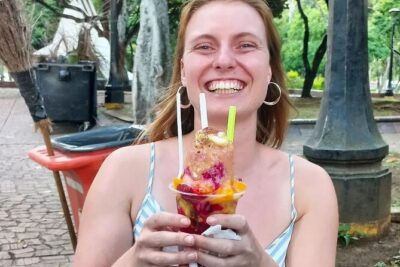
Browse the lists this tour appears in