
Reviewed · MACHU PICCHU TOURS
7-Day Tour from Cusco with Machu Picchu and Rainbow Mountain
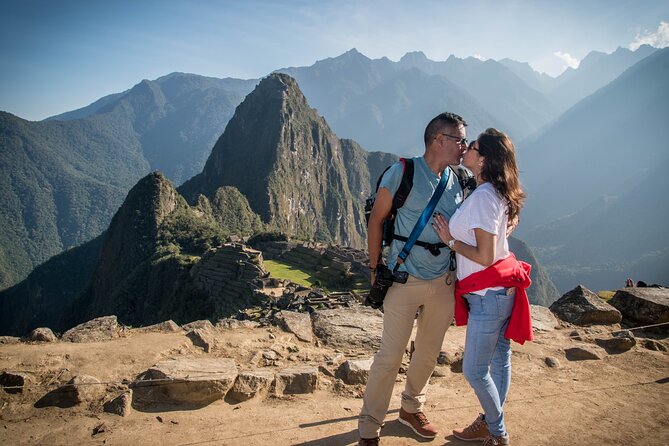
The big draw here is the sheer variety packed into one week. You move from Inca temples and stone terraces to salt pools, a turquoise glacial lake, and the striped slopes of Rainbow Mountain. I like the way the trip handles the fiddly parts, especially Machu Picchu train tickets, buses, hotel transfers, and entrance fees, so you can focus on the places themselves.
I also like the practical human support. David, Franklin, Mary, Heidi, and Samantha have helped travelers with airport delays, daily WhatsApp messages, itinerary changes, and last-minute questions. The catch is the pace: three 4 a.m. starts and two demanding high-altitude hikes make this a poor fit if you need slow mornings or have not prepared for Cusco’s elevation.
Key points at a glance
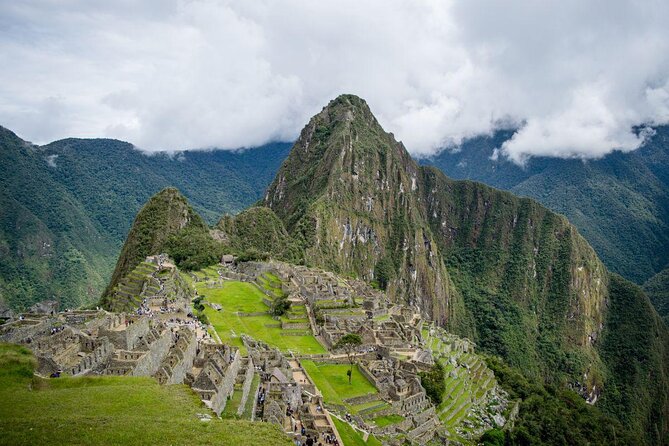
- Machu Picchu with Circuit 2: The central Inca citadel is visited with a guide, followed by free time before your return train.
- Two serious mountain days: Rainbow Mountain reaches about 16,732 feet, while Humantay Lake requires a steep ascent from Soraypampa.
- Small maximum group: The advertised maximum is 16 people, though some transport and guiding arrangements can vary by day.
- Many major costs included: Hotels, airport transfers, trains, Machu Picchu buses, entrance tickets, breakfasts, and three lunches are covered.
- A different guide may lead each day: This gives you local specialists for separate sites, but it does not feel like one continuous private tour.
- Good value at $739: The price is strong for the amount of transport and ticket handling included, though flights, snacks, insurance, and tips are extra.
Seven days that show you the many faces of Cusco
This is not a relaxed stay in Cusco with one or two excursions. It is a tightly arranged week that uses Cusco as your base for several day trips, with one overnight in Aguas Calientes for Machu Picchu.
At $739 per person, the value comes from the number of moving parts handled for you. You receive airport pickup and drop-off, hotel transfers, train tickets, Machu Picchu bus tickets, guides, entrance fees, several breakfasts and lunches, and accommodation. Buying all of that separately would take time and careful coordination.
The trade-off is energy. You will spend long hours in vehicles, rise before dawn for the mountain days, and adjust to high altitude quickly. I would book this as an active introduction to the Cusco region, not as a restful holiday.
More ways to reach Machu Picchu:
- Cusco 7 days Tour in Machu Picchu, Humantay Lake and Vinicunca
★ 5.0 · 64 reviews - 4 day – Bucketlist Cusco: Rainbow Mtn, Machu Picchu, Sacred Valley, Humantay
★ 5.0 · 55 reviews - 7-Day: Sacred Valley, MachuPichu, Rainbow Mountain, Humantay Lake
★ 5.0 · 53 reviews
Day 1: Qorikancha and the stonework of Sacsayhuaman
After your arrival in Cusco, a Kantu representative meets you at the airport and takes you to your hotel. You receive general information about Cusco, then have time to check in and rest before the afternoon city tour.
That rest matters. Cusco sits high, and the tour begins at about 1:30 p.m., giving you a little time to arrive, eat something light, and avoid rushing straight into sightseeing.
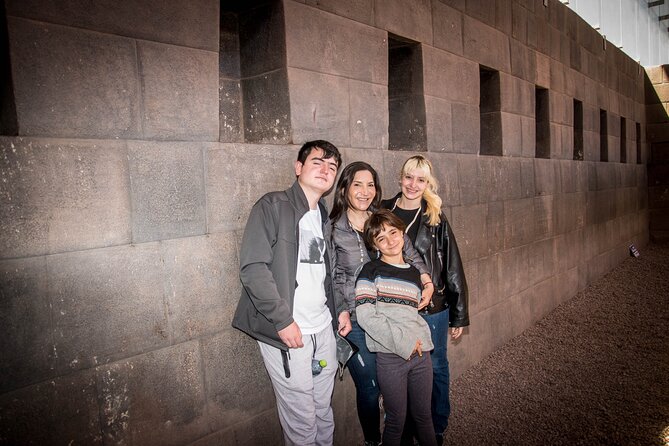
The first major stop is Qorikancha, the Temple of the Sun. It was the most important temple in the Inca period, and its location helps explain why Cusco was the center of the Inca world. Plan on about 90 minutes here, with the entrance ticket included.
The afternoon continues at Sacsayhuaman, the huge Inca fortress above Cusco. Its carefully fitted stones are the star of the visit. The size of the blocks and the precision of the joints make this more than a quick photo stop.
You also visit Q’enqo, described as a puma temple, along with Tambomachay and Puca Pucara. Tambomachay is associated with water, while Puca Pucara is known as the Red Fortress. The full outing ends around 6:30 p.m., followed by transport back to your hotel.
This first day is useful because it gives you cultural context before the bigger ruins later in the week. The drawback is that the city tour arrives soon after a flight, so keep your expectations modest if you feel tired or light-headed.
Day 2: Pisac, Urubamba, Ollantaytambo, and the train south
The Sacred Valley day begins around 8 a.m. You are advised to carry only a small bag for one night in Aguas Calientes, since your larger luggage can remain in Cusco if the hotel arrangement allows it.
The first stop is Awanacancha, where you learn to tell the four Andean camelids apart: llama, vicuña, alpaca, and guanaco. A short drive later, you stop at a viewpoint over the Sacred Valley. This is a smart opening to the day because you see the broad setting before entering the archaeological sites.
Pisac follows. Its Inca ruins spread across the slopes above the modern town, and your guide explains how this large settlement worked. You have about an hour there. The route then continues to Urubamba, the valley’s main town, for an Inca buffet lunch at a tourist restaurant.
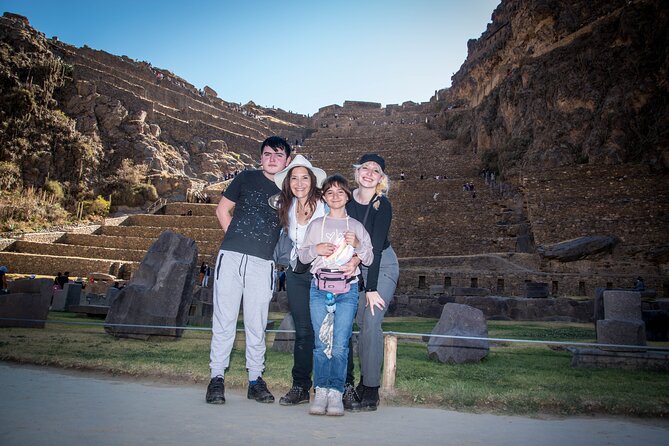
After lunch, you drive roughly 30 minutes to Ollantaytambo. This is one of the most striking towns in the region, with old stone streets and an Inca ceremonial area built up the hillside. The Temple of the Sun is the main focus, and the scale of the construction gives you a clear sense of Inca engineering.
In the afternoon, you board the train from Ollantaytambo to Aguas Calientes. Keep your passport handy because both the train tickets and Machu Picchu tickets are personal. You spend the night in Aguas Calientes, which removes the need for a very early train from Cusco the next morning.
The day is full, but the overnight stop is a real advantage. It gives you a better start at Machu Picchu and avoids turning the citadel into a rushed out-and-back trip.
Day 3: Machu Picchu with time to look around on your own
After breakfast, your guide takes you to the bus station. The bus ride to the Machu Picchu checkpoint takes about 30 minutes.
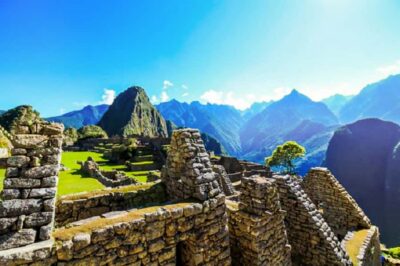
Inside the citadel, the guided visit covers the quarry, Temple of the Sun, Main Square, sundial, and Temple of the Condor. The route is planned around Circuit 2, subject to availability. This is the circuit most suited to a first visit because it includes the central areas that help you understand how the site was laid out.
The guided portion lasts about two and a half hours. Afterward, your guide leaves you with recommendations for reaching the train station, giving you some time to explore independently and take in the views at your own pace.
You then return by bus to Aguas Calientes, where lunch is on your own. You need to reach the train station 30 minutes before departure. The afternoon train returns you to Ollantaytambo, where a representative meets you and arranges the ride back to Cusco. Arrival is at night.
The logistics are well covered, but this day has little spare time. Keep your passport, tickets, and phone accessible, and do not wander too far from the agreed meeting points. A private Machu Picchu guide has been provided in some arrangements, while other days may use a shared group, so ask ahead if this detail matters to you.
More Rainbow Mountain days from Cusco:
- From Cusco: Vinicunca Rainbow Mountain ATV Tour with Meals
★ 4.6 · 1,060 reviews - Cusco: Rainbow Mountain Tour and Red Valley Hike (Optional)
★ 4.7 · 149 reviews - Private Rainbow Mountain Full Day Tour from Cusco
★ 5.0 · 129 reviews - From cusco: Rainbow Mountain ATV Tour with meals
★ 4.5 · 121 reviews
Day 4: Moray, Chinchero weaving, and the Maras salt pools
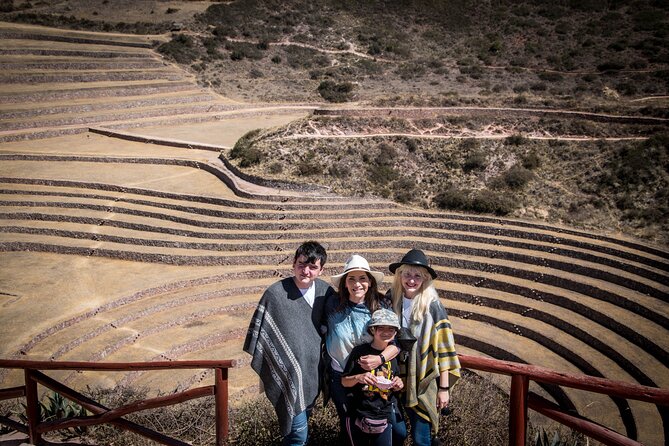
Day four starts at 8 a.m. and finishes around 2 p.m., making it one of the lighter days in the program.
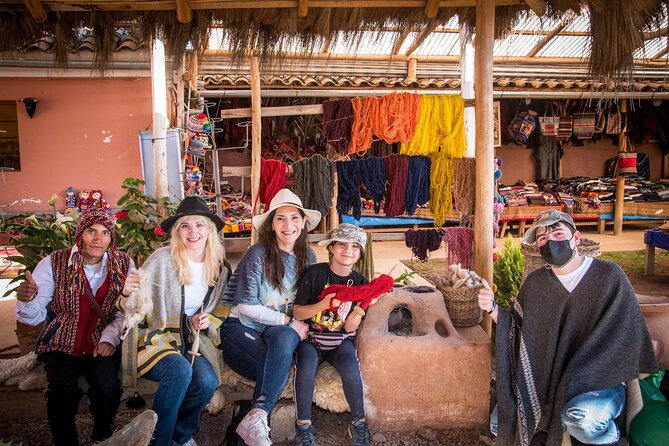
You drive through the Chinchero highlands and stop in the town of Chinchero for a weaving demonstration by local farmers. This adds a useful human element to a week otherwise centered on ruins and mountain scenery. It also gives you a chance to see how Andean textile work remains tied to daily life.
Moray is next. The site’s circular terraces are often described as an agricultural laboratory because of the temperature changes between levels. The rings are visually unusual, but your guide’s explanation is what gives them meaning.
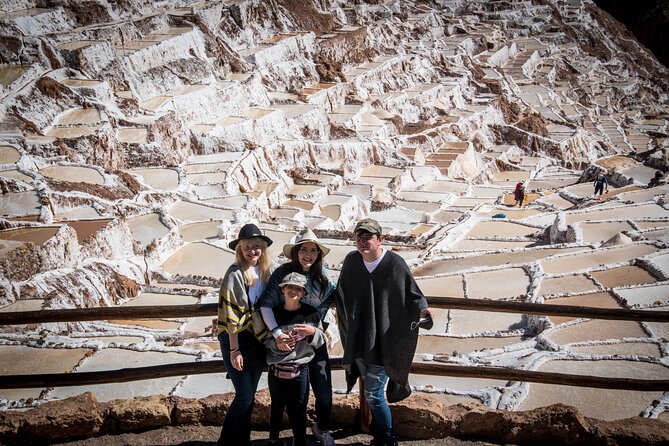
The route then passes large barley fields before reaching the Maras salt mines. A salty spring feeds thousands of small pools, and evaporation leaves salt behind. The white and brown pools cover the hillside in a striking pattern, particularly when seen from above.
Entrance tickets are included for Moray and Maras. You return to Cusco around 2 p.m., leaving a useful afternoon for rest, food, or a walk around town.
This is one of the best-balanced days in the plan. You get archaeology, agriculture, local craft, and a working food industry without another pre-dawn departure.
Day 5: Rainbow Mountain at 16,732 feet
Rainbow Mountain is the first major physical test. Pickup is around 4 a.m., followed by about two hours of driving to Cusipata for breakfast.
From there, you drive another 45 minutes to the trailhead. The hike begins at roughly 15,420 feet, already higher than many people expect. The route climbs gradually at first, then becomes steep during the final 30 minutes.
The total walk takes about two hours each way, depending on your pace. At the top, the classic view reaches approximately 16,732 feet. You see the colored slopes of Vinicunca and the glacier-covered Apu Ausangate, the highest mountain in the Cusco region.
Warm clothing is essential. The start can be cold, and conditions at the summit can change quickly. Water and snacks are not included, so bring them yourself.
If the height or steep final section gets the better of you, this is not a walk to force. The supplied information does not promise an alternative ride to the summit, so ask the operator before departure if you need to know what assistance is available.
After descending, you return to Cusipata for lunch in a local home adapted as a restaurant. The food is traditional and simple, but the setting gives the day a more local feel than a standard restaurant stop. You return to Cusco around 5 p.m.
Rainbow Mountain is spectacular, but color photographs can make the slopes look more dramatic than they feel in person. The real challenge is altitude, not distance. I would place this day after several days in the region rather than at the beginning.
Day 6: Humantay Lake and another steep climb
The final excursion begins at about 4 a.m. The drive to Mollepata takes roughly three hours, with breakfast there and time to buy snacks and water.
You continue by road to Soraypampa, the trailhead. The hike to Humantay Lake takes about two hours and climbs steeply. This is a shorter route than a long-distance trek, but the incline and altitude make it demanding.
At the lake, you have time to look at the turquoise water and surrounding glacier views while your guide explains the area. A horse can be hired for the ascent if you decide the climb is too much, though that cost is not listed among the inclusions.
After spending time at the lake, you walk back down to the vehicle and stop for included lunch. You return to Cusco around 6 p.m.
The tour’s strongest mountain support comes through its guides. Rafael, for example, has checked on people during the steep sections, helped with photos, and explained the route clearly. Drivers such as Jaime have also been praised for handling narrow, rocky roads carefully. Still, you should treat this as a serious high-altitude day, not a casual lakeside outing.
Guides, drivers, and how the support works
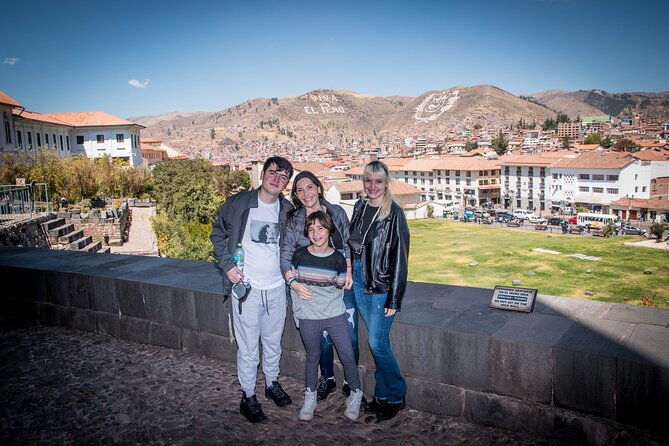
Kantu provides English or Spanish-speaking professional guides, but you may not have one guide for the entire week. Each day can function as its own excursion, with different staff and sometimes a changing group.
That arrangement keeps the price down and gives you guides focused on particular places. It also means the experience may feel less personal than a private trip with one guide who learns your pace and interests over seven days.
Communication is one of the useful strengths here. Daily WhatsApp messages and prompt replies have helped with pickup times, next-day plans, and questions. David has handled airport coordination, Franklin has provided trip support, and Samantha has sent evening itinerary details. A driver even returned a wallet left in a van, an encouraging sign for anyone worried about leaving valuables behind.
The advertised maximum is 16 people. Some travelers have had private guiding at Machu Picchu, but you should confirm the exact arrangement before paying if that is important to you.
What the $739 price really covers
For a seven-day package, $739 is a strong price if you want the major logistics handled. Included items cover:
- Airport to hotel and hotel to airport transfers
- Cusco city tour transport, guide, and entrance tickets
- Sacred Valley transport, guide, entrance tickets, and lunch
- Machu Picchu entrance ticket, with Circuit 2 subject to availability
- Ollantaytambo or Poroy to Aguas Calientes train tickets and return transport
- Aguas Calientes to Machu Picchu bus tickets
- Moray and Maras transport, guide, and entrance tickets
- Rainbow Mountain and Humantay Lake transport, guides, entrance tickets, breakfasts, and lunches
- Hotels and daily trip support
You still pay for flights, meals not listed, water, snacks, phone calls, insurance, and tips. Three lunches are specifically included, while the Machu Picchu day gives you lunch time in Aguas Calientes without covering the meal.
The price is best for someone who values convenience and does not want to build separate bookings for every train, bus, and archaeological entrance. A fully private itinerary may cost more, while an independent trip could cost less but would require more work and carry more risk of missed connections.
The booking is non-refundable and cannot be changed for any reason. That makes travel insurance especially sensible, though insurance itself is not included.
Who should book this Cusco itinerary?
I would choose this trip if you want to see the region’s headline sights in one organized week and you are comfortable with early mornings, long drives, and steep walks.
It suits first-time visitors who want support with train schedules, airport transfers, tickets, and changing excursion plans. It also suits families and small groups who prefer to have the main arrangements made in advance. The flexible communication described by the tour team can be helpful when traveling with children or managing dietary needs.
I would hesitate if you want a slow cultural holiday, dislike group excursions, or know that high altitude affects you badly. The schedule does not leave much room to recover after Rainbow Mountain before Humantay Lake arrives the next morning.
Should you book it?
Book this tour if value, variety, and practical support matter more to you than a leisurely pace. You will see Cusco’s major Inca sites, Machu Picchu, the Sacred Valley, Maras, Moray, Rainbow Mountain, and Humantay Lake without having to arrange each connection yourself.
Before booking, confirm the hotel names, guide setup, Machu Picchu circuit, train times, and whether your group will be shared or private. Bring warm layers, water, snacks, a passport, and realistic expectations about altitude.
For an active visitor with one week in Cusco, this is a well-priced way to cover a remarkable amount of ground. Just arrive ready to sleep early, wake before sunrise, and earn those mountain views.
FAQ
How long is the tour?
The experience lasts approximately seven days. You spend most nights in Cusco, with one overnight in Aguas Calientes before visiting Machu Picchu.
Is Machu Picchu included?
Yes. The package includes the Machu Picchu entrance ticket, with Circuit 2 subject to availability, a professional guide, and the bus between Aguas Calientes and Machu Picchu.
Are train tickets included?
Yes. Train tickets between Ollantaytambo or Poroy and Aguas Calientes are included, along with the return journey to Ollantaytambo or Poroy.
Are meals included?
Breakfast and three lunches are included. Breakfast is provided on the Rainbow Mountain and Humantay Lake days, and lunch is included on the Sacred Valley, Rainbow Mountain, and Humantay Lake excursions. Other meals, water, and snacks are not included.
How difficult are Rainbow Mountain and Humantay Lake?
Both require high-altitude hiking. Rainbow Mountain begins at about 15,420 feet and reaches approximately 16,732 feet, with a steep final section. Humantay Lake requires about two hours of steep uphill walking from Soraypampa. A horse may be hired for the Humantay Lake ascent.
What happens if I need to cancel?
The experience is non-refundable and cannot be changed for any reason. If the minimum number of participants is not reached and the operator cancels, you are offered another date or experience, or a full refund.
More 7-Day Trips in Cusco
- 7 Day Exploration Tour from Cusco to Lima
★ 5.0 · 85 reviews - 7-Day Tour: Peru Classic 7 Days
★ 5.0 · 51 reviews - 7 Day Peru Private Journey
★ 5.0 · 71 reviews - 7-Day: Inca Trail Trek to Machu Picchu Group Tour
★ 5.0 · 40 reviews
Just added around Cusco
- rainbow mountain full day★ 5.0 · 44 reviews
- Rainbown mountain cusco 1 Day★ 4.5 · 72 reviews
- Manu National Park Tour 4days/3night★ 5.0 · 69 reviews
- Tour to the HUMANTAY LAGOON from CUSCO★ 5.0 · 35 reviews
- Vegan Peruvian Cooking Class Cocktails and Local Market in Cusco★ 5.0 · 46 reviews
- Cusco Private Airport Transfer: Fast, Reliable Hotel Drop-Off★ 5.0 · 80 reviews
- 1 Day Tour to Palccoyo (Alternative Rainbow Mtn) from Cusco, Peru★ 5.0 · 53 reviews
- 5-Day: Salkantay Trek to Machupicchu and Humantay Lake★ 5.0 · 42 reviews
Machu Picchu Tours, compared.
From Cusco: Full-Day Group Tour of Machu Picchu
Read our review →
Machu Picchu: Full-Day Tour from Cusco with Optional Lunch
Read our review →
Cusco: 4-Day Inca Trail to Machu Picchu with Accommodation
Read our review →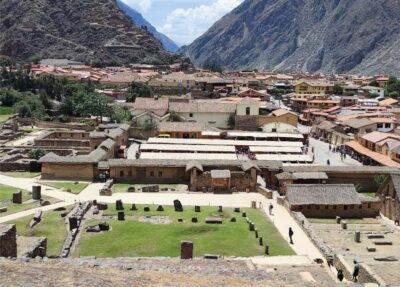
From Cusco: 2-Day Trip to the Sacred Valley and Machu Picchu
Read our review →
Cusco: Machu Picchu 2-Day Inca Trail with Panoramic Train
Read our review →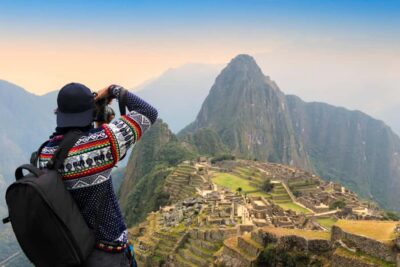
Machu Picchu: Inca Trail 2-Day Overnight Guided Tour
Read our review →Browse the lists this tour appears in